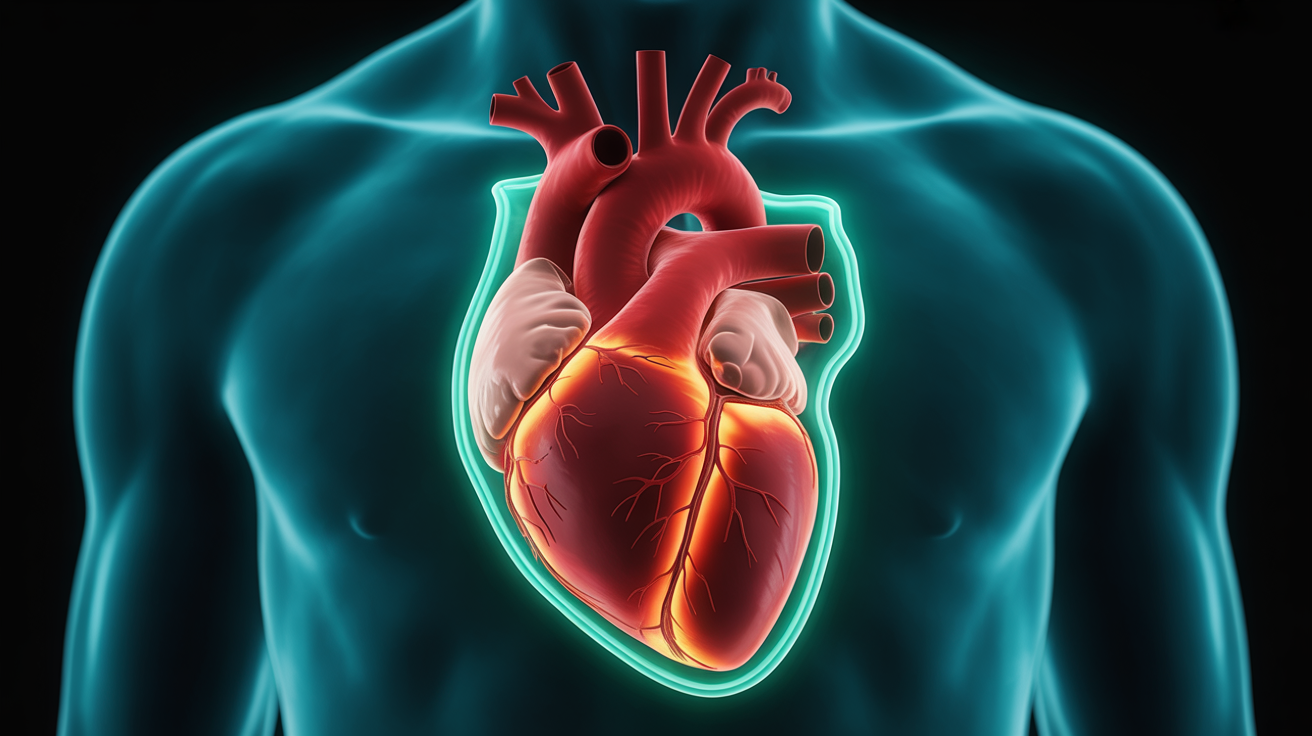
Understanding Cardiomyopathy and Oxidative Stress
Cardiomyopathy — disease of the heart muscle — significantly impacts heart function and is a leading cause of heart failure and sudden cardiac death worldwide. While the term encompasses several distinct conditions (dilated, hypertrophic, restrictive, and arrhythmogenic cardiomyopathy), a common thread runs through all of them: oxidative stress-mediated cellular damage.
The heart is one of the most metabolically active organs in the body, consuming approximately 6 kg of ATP daily. This enormous energy demand makes cardiomyocytes — heart muscle cells — particularly vulnerable to oxidative damage when the balance between free radical production and antioxidant defenses breaks down.
NRF2: The Heart's Master Guardian
NRF2 orchestrates a sophisticated defense mechanism that maintains cellular equilibrium and shields the heart from damage. When oxidative stress levels rise in cardiomyocytes, NRF2 is released from its inhibitor KEAP1 and translocates to the nucleus, where it activates the transcription of over 250 cytoprotective genes including:
- Heme oxygenase-1 (HO-1) — Converts toxic heme into protective biliverdin, CO, and free iron
- NAD(P)H:quinone oxidoreductase 1 (NQO1) — Detoxifies reactive quinones
- Glutathione S-transferases (GSTs) — Conjugate and neutralize electrophilic toxins
- Superoxide dismutase (SOD) — Converts superoxide radicals to hydrogen peroxide
How NRF2 Protects Against Each Type of Cardiomyopathy
Dilated Cardiomyopathy (DCM)
In DCM, the heart chambers enlarge and weaken. NRF2 counteracts this by reducing mitochondrial oxidative damage and preventing the fibrosis (scarring) that leads to progressive chamber dilation. Studies show that NRF2-deficient mice develop more severe DCM, while NRF2 activation preserves cardiac contractility.
Hypertrophic Cardiomyopathy (HCM)
HCM involves abnormal thickening of the heart muscle. NRF2 activation has been shown to reduce the pathological hypertrophic response by suppressing oxidative stress-induced signaling cascades that drive excessive muscle growth.
Diabetic Cardiomyopathy
Diabetes-related heart disease is driven by hyperglycemia-induced oxidative stress. NRF2 activation shows particular promise here, as it addresses both the oxidative damage and the inflammatory pathways activated by high blood sugar. Learn more about NRF2 and diabetes in our diabetes article.
The Antioxidant-Free Radical Balance
The heart maintains a delicate balance between free radical production and antioxidant defenses. When this balance tips toward oxidative stress:
- Cell membranes become damaged through lipid peroxidation
- Mitochondrial DNA mutations accumulate, reducing energy production
- Calcium handling is disrupted, leading to arrhythmias
- Inflammatory pathways are activated, causing further tissue damage
- Fibrosis (scarring) replaces functional heart muscle
NRF2 activation addresses ALL of these pathological mechanisms simultaneously — something no single-target drug can achieve.
Heart-Healthy NRF2 Activators
Supporting your NRF2 pathway through diet and lifestyle can complement conventional cardiac care:
- Extra virgin olive oil — Rich in oleuropein, a potent NRF2 activator with proven cardiovascular benefits
- Red grapes and resveratrol — Activates NRF2 and has direct cardioprotective effects
- Omega-3 fatty acids — Support NRF2 activity and reduce cardiac inflammation
- Regular exercise — The most well-established lifestyle activator of cardiac NRF2
References
- Li J, et al. "Nrf2 protects against maladaptive cardiac responses to hemodynamic stress." Arterioscler Thromb Vasc Biol. 2009;29(11):1843-50.
- Tan Y, et al. "Diabetic downregulation of Nrf2 activity via ERK contributes to oxidative stress-induced insulin resistance in cardiac cells." Diabetes. 2011;60(2):625-33.