Ginger
Zingiber officinale
Ginger’s gingerol and shogaol robustly activate NRF2, enhancing antioxidant defenses and cellular resilience.
Overview
Ginger: A Storied Root with Potent NRF2-Activating Phytochemicals
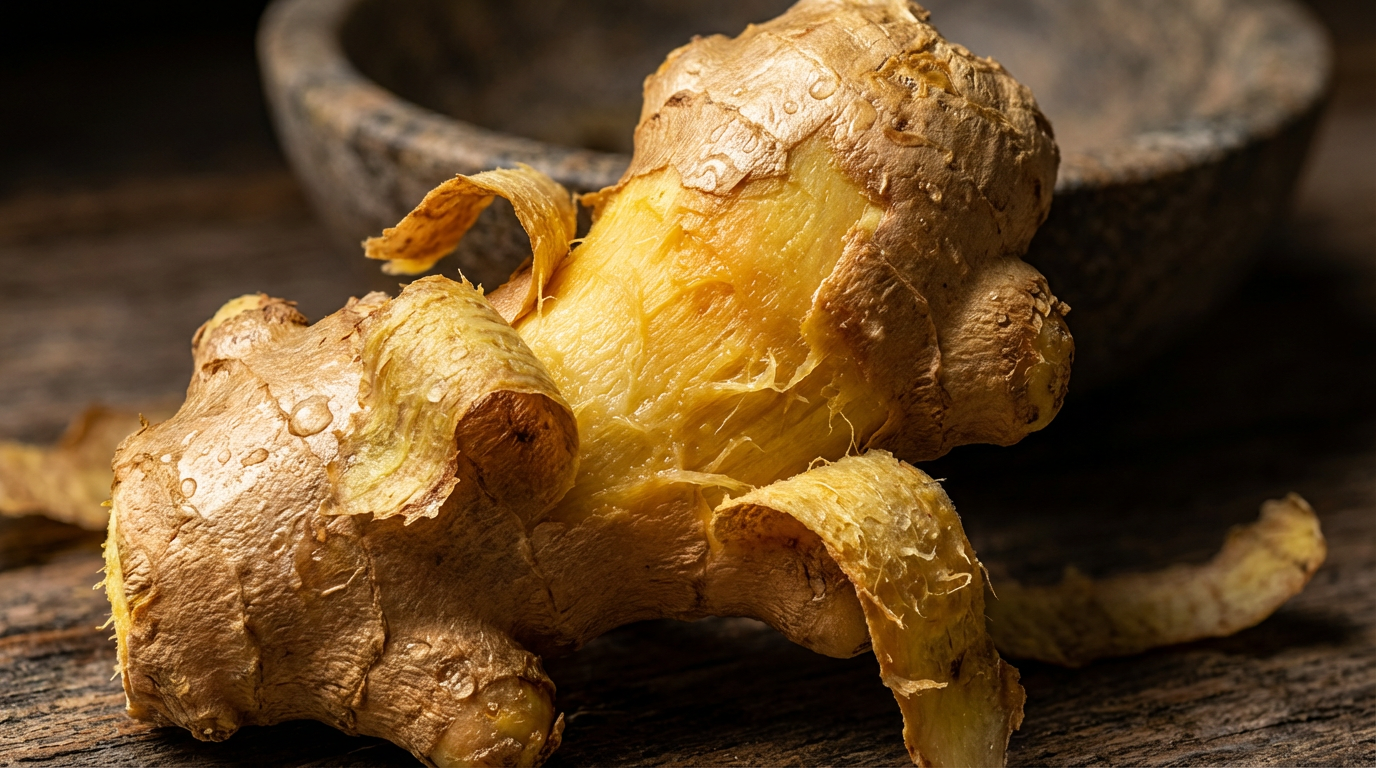
Ginger (Zingiber officinale) is a widely used medicinal and culinary rhizome with a history spanning over 5000 years, prized both in traditional Asian medicine and modern herbal practices. Nutritionally, ginger is rich in bioactive phenolic compounds, notably gingerols and their dehydrated analogs, shogaols, which underpin many of its health benefits. These compounds contribute to ginger's pungent flavor and its potent biological activity, including its role in regulating oxidative stress and inflammation pathways.
Research has increasingly focused on ginger’s capacity to activate the NRF2 (nuclear factor erythroid 2–related factor 2) signaling pathway—a master regulator of cellular antioxidant defense. By promoting expression of detoxification enzymes and antioxidant proteins, ginger helps protect cells from oxidative damage, making it a compelling dietary tool in managing chronic inflammation, metabolic disorders, and neurodegenerative diseases.
How It Activates NRF2
Molecular Mechanisms of NRF2 Activation by Gingerol and Shogaol
The primary bioactive constituents in ginger—gingerols and shogaols—exert their NRF2-activating effects through electrophilic modification of KEAP1, the cytoplasmic repressor of NRF2. These compounds covalently modify reactive cysteine residues on KEAP1, especially Cys151, inducing a conformational change that prevents NRF2 ubiquitination and proteasomal degradation.
Freed NRF2 translocates to the nucleus where it heterodimerizes with small Maf proteins and binds to antioxidant response elements (ARE) in DNA, triggering transcription of cytoprotective genes such as Heme oxygenase-1 (HO-1), NAD(P)H quinone dehydrogenase 1 (NQO1), and glutathione S-transferases (GSTs). Through this activation cascade, ginger compounds enhance the cellular detoxification capacity and mitigate oxidative stress, strengthening cellular resilience against environmental and metabolic insults.
Health Benefits
Health Benefits via NRF2 Activation by Ginger
- Anti-inflammatory effects: Activation of NRF2 downregulates pro-inflammatory cytokines, as shown in models of arthritis and colitis (Razavi et al., 2017).
- Antioxidant defense: Ginger induces phase II detoxification enzymes counteracting oxidative stress, reducing lipid peroxidation in various tissues (Kim et al., 2013).
- Neuroprotection: NRF2 activation by gingerol mitigates neuroinflammation and oxidative damage, offering promise in neurodegenerative conditions (Zhao et al., 2019).
- Cardiovascular benefits: Enhanced HO-1 and NQO1 expression improves endothelial function and vascular health (Wang et al., 2015).
- Anticancer potential: Induction of detoxifying enzymes via NRF2 reduces carcinogen-induced DNA damage and supports apoptosis in malignant cells (Mashhadi et al., 2013).
- Metabolic regulation: NRF2 pathway activation aids in ameliorating insulin resistance and hepatic steatosis (Li et al., 2016).
How to Consume
Optimizing Ginger Consumption for NRF2 Activation
Fresh and dried ginger root can be consumed to harness NRF2 activating effects, but drying or heat processing increases shogaol content, which may be more potent NRF2 activators than gingerols. Ginger extracts standardized for gingerol and shogaol content are optimal for consistent dosing.
To maximize bioavailability, consume with small amounts of healthy fats (e.g., olive oil), enhancing absorption of lipophilic gingerol derivatives. Incorporating ginger into warm beverages, teas, or cooking shortly before consumption preserves bioactivity.
The recommended daily intake ranges from 1–2 grams of dried extract or 2–5 grams of fresh root. Combining with other NRF2 activators such as sulforaphane-rich cruciferous vegetables may yield synergistic effects.
Research Highlights
Key Research Findings on Ginger and NRF2 Activation
- Kim et al. (2013, Journal of Medicinal Food): Demonstrated ginger extract significantly upregulated HO-1 and NQO1 in human liver cells via NRF2 activation.
- Razavi et al. (2017, Phytotherapy Research): Reported anti-inflammatory effects of ginger in rheumatoid arthritis patients linked to NRF2 signaling modulation.
- Zhao et al. (2019, Neurochemical Research): Found neuroprotective effects of shogaol were mediated via NRF2/ARE pathway activation in rodent models of neurodegeneration.
- Wang et al. (2015, Food & Function): Showed improvement in endothelial function via enhancement of antioxidant enzyme expression through NRF2 by ginger supplementation.
- Li et al. (2016, Biochemical Pharmacology): Demonstrated NRF2 activation contributed to ginger's benefits in metabolic syndrome models.
Referenced Studies
More Spices & Herbs Foods


Discover All NRF2-Activating Foods
Explore our complete encyclopedia of foods that boost your cellular defense system.
Browse All Foods