Green Tea
Camellia sinensis
Green tea's EGCG powerfully activates NRF2, driving antioxidant defense and cellular protection.
Overview
Green Tea: A Timeless Brew with Potent NRF2 Activation
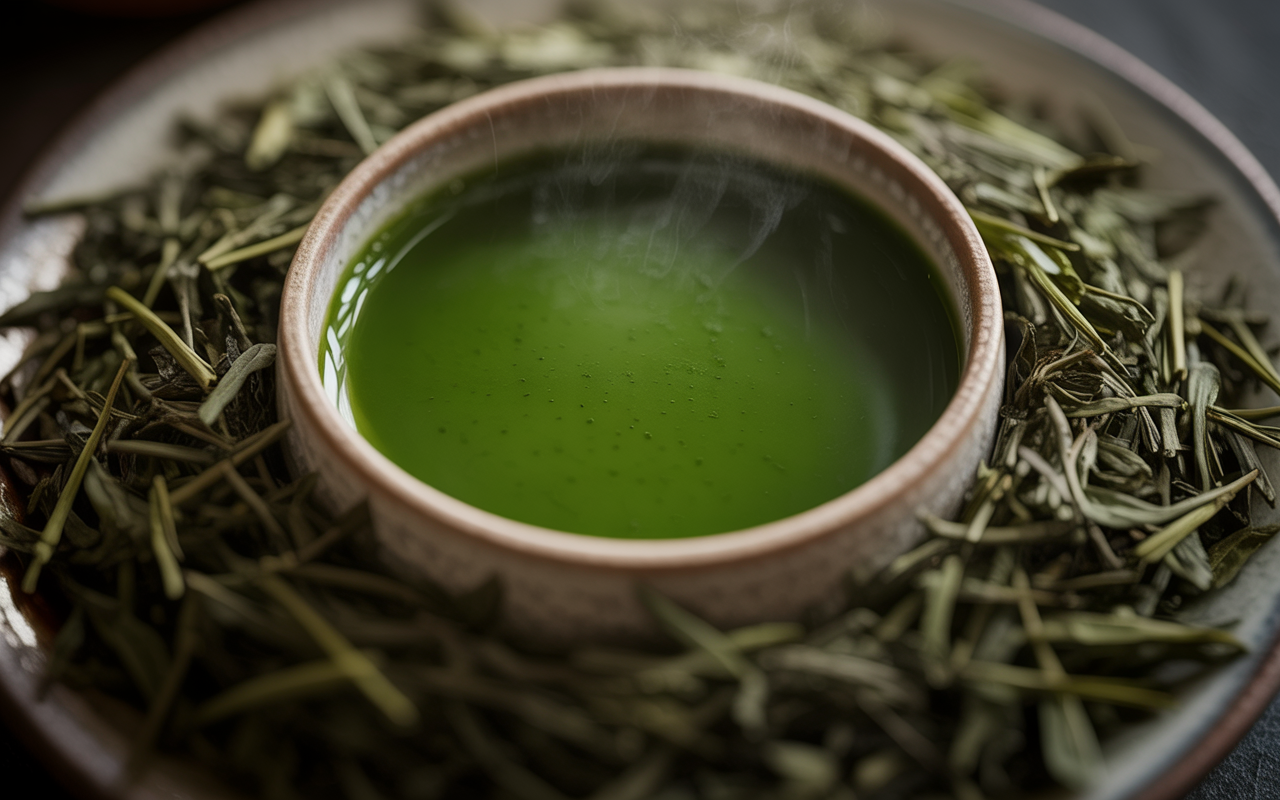
Green tea, derived from the leaves of Camellia sinensis, has been cherished for centuries in East Asian cultures for its health-promoting properties. Unlike black tea, green tea is minimally oxidized, preserving a rich profile of bioactive polyphenols—most notably, epigallocatechin gallate (EGCG). This catechin is a pivotal compound responsible for many of green tea's biological effects, including its capacity to activate the NRF2 pathway.
From a nutritional perspective, green tea is low in calories and packed with antioxidants, amino acids like L-theanine, and vitamins such as folate and vitamin C. The importance of green tea in the context of NRF2 activation lies in its ability to enhance the body's cellular defense systems. By stimulating NRF2, EGCG initiates a cascade of gene expressions that bolster antioxidant capacities and detoxification enzymes, thereby supporting healthspan and resilience against oxidative stress.
How It Activates NRF2
Molecular Mechanisms Underlying NRF2 Activation by EGCG
EGCG activates the NRF2 pathway through direct and indirect modulation of its cytoplasmic regulator KEAP1. Under basal conditions, NRF2 is sequestered by KEAP1, which targets NRF2 for ubiquitination and proteasomal degradation. EGCG interacts with KEAP1 by modifying critical cysteine residues—predominantly Cys151—leading to conformational changes that impair KEAP1’s ability to ubiquitinate NRF2. This stabilization allows NRF2 to translocate to the nucleus.
Once in the nucleus, NRF2 binds to antioxidant response elements (ARE) on DNA, upregulating the transcription of a battery of cytoprotective genes. These include heme oxygenase-1 (HO-1), NAD(P)H:quinone oxidoreductase-1 (NQO1), and glutathione S-transferases (GSTs), which collectively enhance cellular antioxidant capacity, promote detoxification of harmful electrophiles, and maintain redox homeostasis. EGCG’s electrophilic nature facilitates this modification, and additional signaling pathways such as MAPK and PI3K/Akt may synergize EGCG-induced NRF2 activation.
Health Benefits
Health Benefits of Green Tea Mediated by NRF2 Activation
- Antioxidant Defense: EGCG-induced NRF2 activation increases endogenous antioxidant enzymes, reducing oxidative stress and mitochondrial damage (Kobayashi et al., 2016).
- Anti-inflammatory Effects: NRF2 activation by green tea downregulates pro-inflammatory cytokines, mitigating chronic inflammation linked to metabolic and cardiovascular diseases (Han et al., 2019).
- Neuroprotection: Green tea catechins promote neuronal survival via NRF2-driven antioxidant genes, potentially lowering risks of neurodegenerative disorders like Alzheimer’s (Yao et al., 2020).
- Cardiovascular Health: Enhanced NRF2 activity improves endothelial function and reduces atherosclerotic plaque formation (Zhao et al., 2017).
- Anti-cancer Properties: By inducing phase II detoxifying enzymes through NRF2, EGCG inhibits carcinogen activation and supports apoptosis in malignant cells (Park et al., 2015).
- Metabolic Regulation: NRF2 activation contributes to improved insulin sensitivity and lipid metabolism, beneficial in metabolic syndrome (Harvey et al., 2018).
How to Consume
Optimal Consumption Strategies for Maximizing NRF2 Activation from Green Tea
To harness the NRF2-activating benefits of green tea, consumption of 3-5 cups daily (providing approximately 600-800 mg of EGCG) is recommended. Using loose-leaf or high-quality green tea ensures a higher polyphenol content compared to tea bags, which may contain lower potency extracts.
Preparation is critical: steep green tea in water around 70-80°C for 3-5 minutes to maximize EGCG extraction without degradation. Prolonged boiling or excessively high temperatures can reduce catechin content. Adding lemon or other citrus enhances EGCG bioavailability by stabilizing catechins in the gut.
Consuming green tea on an empty stomach or between meals may improve absorption, but some individuals sensitive to caffeine might prefer afternoon intake. Combining green tea with foods rich in selenoproteins or vitamins C and E can synergistically enhance NRF2 activation and antioxidant effects.
Research Highlights
Key Research Findings on Green Tea and NRF2 Activation
- Kobayashi et al. (2016, Free Radical Biology & Medicine): Demonstrated that EGCG directly modifies KEAP1 cysteine residues, significantly raising NRF2 nuclear translocation in human cell lines.
- Han et al. (2019, Journal of Nutritional Biochemistry): In a randomized controlled trial, green tea extract supplementation reduced inflammatory biomarkers in overweight adults via NRF2-dependent pathways.
- Yao et al. (2020, Neurochemistry International): Preclinical model studies showed neuroprotective effects of EGCG mediated by NRF2 activation, delaying cognitive decline in Alzheimer’s models.
- Zhao et al. (2017, Journal of Molecular and Cellular Cardiology): Found that green tea polyphenols improved endothelial function and reduced oxidative stress in patients with early-stage atherosclerosis through NRF2 signaling.
- Park et al. (2015, Cancer Letters): Reviewed the chemopreventive role of green tea catechins via induction of phase II detoxification enzymes regulated by NRF2.
Referenced Studies
Related Articles

How Long Should You Take NRF2 Supplements? Duration, Safety & Side Effects
A practical guide answering the most common questions about NRF2 supplement duration, safety profiles, potential side effects, and when to consult your doctor.

NRF2 for Dogs: How the NRF2 Pathway Supports Canine Health
Discover how the NRF2 pathway protects your dog from oxidative stress, inflammation, and age-related diseases. Learn about NRF2-activating foods and supplements safe for canines.
NRF2 Supplements: A Complete Evidence-Based Guide
A comprehensive review of NRF2 activator supplements — from sulforaphane and curcumin to combination formulas — backed by current scientific evidence.
Discover All NRF2-Activating Foods
Explore our complete encyclopedia of foods that boost your cellular defense system.
Browse All Foods