Kale & Cruciferous Vegetables
Brassica oleracea
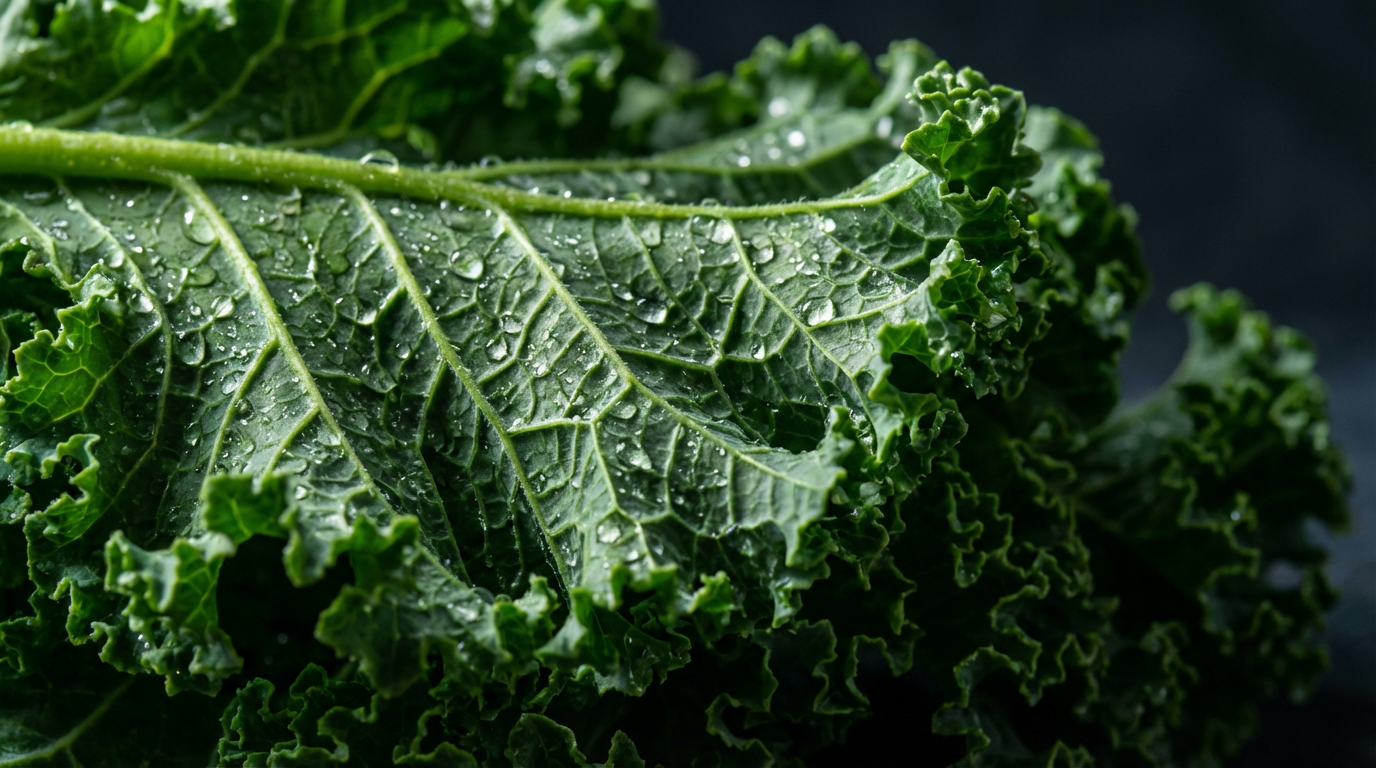
Kale and cruciferous vegetables powerfully activate NRF2 via sulforaphane and indole-3-carbinol, enhancing the body’s cellular defense.
Overview
Overview of Kale & Cruciferous Vegetables
Kale and other cruciferous vegetables such as broccoli, Brussels sprouts, cabbage, and cauliflower belong to the Brassica oleracea species. These vegetables have been cultivated for thousands of years, prized not only for their nutritional density but for their unique phytochemical profile. Particularly, they are rich sources of glucosinolates, sulfur-containing compounds that, upon chewing or cutting, are enzymatically converted to bioactive metabolites including sulforaphane and indole-3-carbinol.
These compounds play a significant role in activating the Nuclear factor erythroid 2-related factor 2 (NRF2) pathway, a master regulator of cellular antioxidant responses. Nutritionally, kale and its cruciferous relatives provide vitamins A, C, K, folate, and minerals such as calcium and potassium, but it is their phytochemicals that particularly contribute to NRF2-mediated cytoprotective effects. This makes them valuable not just as nutrients but as functional foods with potential to reduce oxidative stress and support long-term health.
How It Activates NRF2
NRF2 Activation Mechanism by Sulforaphane & Indole-3-Carbinol
Sulforaphane, derived from glucoraphanin in kale and cruciferous vegetables, is one of the most potent natural NRF2 activators known. Upon ingestion, sulforaphane modifies key cysteine residues (notably Cys151) on Kelch-like ECH-associated protein 1 (KEAP1), the cytoplasmic repressor of NRF2. This modification disrupts KEAP1’s ability to ubiquitinate NRF2, preventing its proteasomal degradation.
The stabilization and accumulation of NRF2 enable its translocation to the nucleus where it binds antioxidant response elements (ARE) in the promoter regions of cytoprotective genes. These include heme oxygenase-1 (HO-1), NAD(P)H quinone oxidoreductase 1 (NQO1), and various glutathione-S-transferases (GSTs), which catalyze detoxification reactions and bolster antioxidant defenses.
Indole-3-carbinol and its derivatives also contribute to NRF2 activation through similar but less well-defined pathways, including modulation of kinases that phosphorylate NRF2 to enhance nuclear localization. Together, these compounds orchestrate a robust cellular shield against oxidative damage, inflammation, and toxic insults.
Health Benefits
Health Benefits Mediated by NRF2 Activation
- Anti-inflammatory Effects: NRF2 activation suppresses pro-inflammatory cytokines, reducing chronic inflammation as demonstrated in multiple models (Kensler et al., 2007).
- Antioxidant Defense: Enhances endogenous antioxidant enzymes, mitigating oxidative stress linked to aging and chronic disease.
- Neuroprotection: Protects neurons against oxidative injury and may reduce risk or progression of neurodegenerative diseases (e.g., Alzheimer’s and Parkinson’s) (Tarozzi et al., 2013).
- Cardiovascular Health: Improves endothelial function and reduces atherosclerosis risk by decreasing oxidative damage to vascular cells (Clifton et al., 2017).
- Anti-cancer Properties: Induces phase II detoxification enzymes, promoting carcinogen elimination and inhibiting tumor progression (Zhang et al., 1992).
- Metabolic Regulation: Supports glucose homeostasis and lipid metabolism, contributing to reduced risk of metabolic syndrome.
- Liver Protection: Enhances detoxification pathways that protect hepatic cells from injury and fibrosis.
How to Consume
Optimizing Consumption for Maximum NRF2 Activation
To maximize NRF2 activation, consume kale and cruciferous vegetables raw or lightly steamed. Sulforaphane yield is highest when the myrosinase enzyme, essential for glucoraphanin conversion, remains active—this can be inactivated by high heat cooking. Raw kale, broccoli sprouts, and freshly chopped vegetables provide optimal intake.
Including a source of active myrosinase, such as mustard seeds or daikon radish, can aid conversion when vegetables are cooked. Fermentation also preserves bioactive compounds. Avoid boiling as it leaches glucosinolates into water. Consuming approximately 1 cup (70g) daily can confer NRF2 benefits.
Pairing these vegetables with a fat source, like olive oil or avocado, can improve absorption of lipid-soluble vitamins and phytochemicals. Rotate different cruciferous vegetables to diversify glucosinolate and indole intakes for comprehensive coverage.
Research Highlights
Key Research Findings
- Kensler et al. (2007, Annual Review of Pharmacology and Toxicology) described sulforaphane as a promising chemopreventive agent through NRF2 activation.
- Zhang et al. (1992, PNAS) first demonstrated sulforaphane's ability to induce phase II detoxifying enzymes via NRF2 in rodent models.
- Tarozzi et al. (2013, Journal of Neuroscience Research) showed neuroprotective effects of sulforaphane mediated by NRF2 in cellular and animal neurodegeneration models.
- Clifton et al. (2017, Nutrition Reviews) reviewed cardiovascular benefits of cruciferous vegetable intake supported by NRF2 activation mechanisms.
- Yanaka et al. (2009, Journal of Nutritional Biochemistry) demonstrated increased plasma antioxidant capacity after consumption of broccoli sprouts in humans.
Referenced Studies
More Cruciferous Foods
Discover All NRF2-Activating Foods
Explore our complete encyclopedia of foods that boost your cellular defense system.
Browse All Foods