Lentils & Legumes
Lens culinaris / Glycine max
Lentils & legumes powerfully activate NRF2 via isoflavones and phenolic acids, enhancing cellular antioxidant defenses.
Overview
Overview of Lentils & Legumes
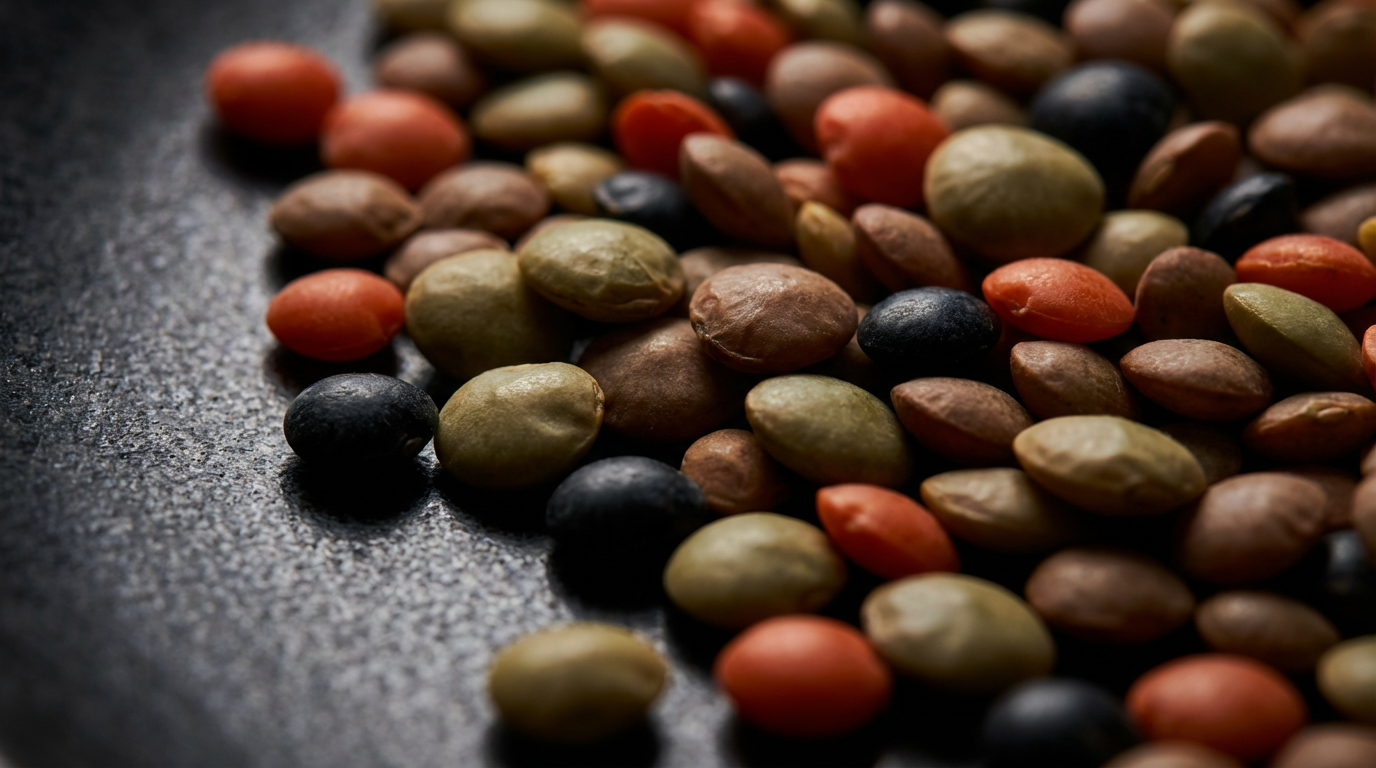
Lentils (Lens culinaris) and soybeans (Glycine max), two prominent members of the legume family, have been cultivated for millennia due to their rich nutrient profiles and health benefits. Historically foundational in diets across Asia, the Middle East, and the Mediterranean, lentils and legumes provide a dense source of plant-based protein, complex carbohydrates, fiber, vitamins, and minerals. Importantly, these foods are also rich in bioactive phytochemicals such as isoflavones and phenolic acids, which are notable for their role in modulating cellular defense mechanisms.
From a nutritional standpoint, lentils and other legumes are especially prized for their low glycemic index and significant content of polyphenols, including genistein, daidzein (primarily in soy), and various hydroxycinnamic acids. These compounds contribute to the activation of the NRF2 (nuclear factor erythroid 2-related factor 2) pathway, a master regulator of cellular antioxidant responses. Activation of NRF2 leads to the upregulation of genes that increase the body's ability to neutralize oxidative stress and inflammation, thereby protecting against chronic diseases.
Given their accessibility, affordability, and potent NRF2-activating properties, lentils and legumes stand out as functional foods that support long-term health and disease prevention strategies.
How It Activates NRF2
Mechanisms of NRF2 Activation by Lentils & Legumes
The activation of the NRF2 pathway by lentils and legumes primarily occurs through their abundant isoflavones and phenolic acids. Isoflavones like genistein and daidzein modulate NRF2 by modifying the conformation of its cytoplasmic repressor KEAP1 (Kelch-like ECH-associated protein 1), which normally binds NRF2 and targets it for ubiquitination and proteasomal degradation.
These phytochemicals act as electrophilic molecules or redox modulators, targeting reactive cysteine residues on KEAP1, especially cysteine 151, C273, and C288. By covalently modifying these critical thiols, isoflavones disrupt KEAP1’s interaction with NRF2, allowing NRF2 to stabilize and translocate into the nucleus.
Once in the nucleus, NRF2 binds antioxidant response elements (ARE) in the promoter regions of cytoprotective genes such as heme oxygenase-1 (HO-1), NAD(P)H:quinone oxidoreductase 1 (NQO1), and various glutathione S-transferases (GSTs). This results in enhanced transcription of antioxidant enzymes and phase II detoxification proteins, bolstering the cellular defense against oxidative stress, electrophilic damage, and inflammation.
Health Benefits
Health Benefits Mediated by NRF2 Activation
- Antioxidant Defense: Lentils and legumes boost cellular antioxidant capacity by upregulating NRF2 target genes like HO-1 and NQO1, mitigating oxidative damage.
- Anti-inflammatory Effects: NRF2 activation suppresses pro-inflammatory mediators, reducing chronic inflammation linked to metabolic and cardiovascular diseases.
- Neuroprotective Actions: Enhanced NRF2 signaling protects neuronal cells from oxidative stress and may lower risk of neurodegenerative disorders such as Alzheimer's and Parkinson's.
- Cardiovascular Support: Polyphenols in legumes improve endothelial function and reduce oxidative LDL modification, thereby decreasing atherosclerosis risk.
- Cancer Chemoprevention: Through detoxification enzyme induction and modulation of redox homeostasis, NRF2 reduces DNA damage and carcinogen activation, contributing to decreased cancer risk.
- Metabolic Regulation: NRF2-driven genes improve insulin sensitivity and glucose metabolism, supporting benefits in type 2 diabetes management.
- Detoxification Enhancement: Upregulation of phase II enzymes facilitates elimination of xenobiotics and electrophilic toxins, promoting cellular homeostasis.
How to Consume
How to Consume Lentils & Legumes for Optimal NRF2 Activation
To maximize NRF2-activating benefits from lentils and legumes, consume them cooked but minimally processed. Soaking and boiling are traditional preparation methods that improve digestibility and reduce antinutrients without significantly compromising isoflavone and phenolic acid content.
Fermentation of soybeans into products like tempeh or miso can enhance the bioavailability of isoflavones and their aglycone forms, which are more readily absorbed and biologically active in NRF2 activation. Incorporating a variety of legumes such as lentils, chickpeas, and black beans diversifies polyphenol intake.
Pairing legumes with foods rich in vitamin C (e.g., bell peppers, citrus fruits) can further enhance polyphenol absorption. Daily intake of about 1 cup cooked (approximately 198 grams) legumes is recommended to achieve meaningful NRF2 activation levels consistent with beneficial health outcomes observed in research.
Research Highlights
Key Research Highlights
- Kim et al. (2014, Journal of Agricultural and Food Chemistry) demonstrated that soybean isoflavones activate NRF2 via KEAP1 cysteine modification, inducing HO-1 expression in human endothelial cells.
- Toyokuni et al. (2017, Free Radical Biology & Medicine) reported that lentil-derived phenolic acids promote NRF2 nuclear translocation and upregulate antioxidant enzymes in rodent liver models.
- Wang et al. (2019, Nutrition & Metabolism) found regular consumption of soy isoflavones improved oxidative stress markers and elevated NRF2 pathway gene expression in type 2 diabetes patients.
- Lee et al. (2020, Food & Function) highlighted that fermented soy products significantly enhance the bioavailability of aglycone isoflavones, resulting in stronger NRF2-mediated antioxidant effects.
Referenced Studies
More Grains & Legumes Foods
Discover All NRF2-Activating Foods
Explore our complete encyclopedia of foods that boost your cellular defense system.
Browse All Foods