NRF2 and Multiple Sclerosis: A New Therapeutic Frontier
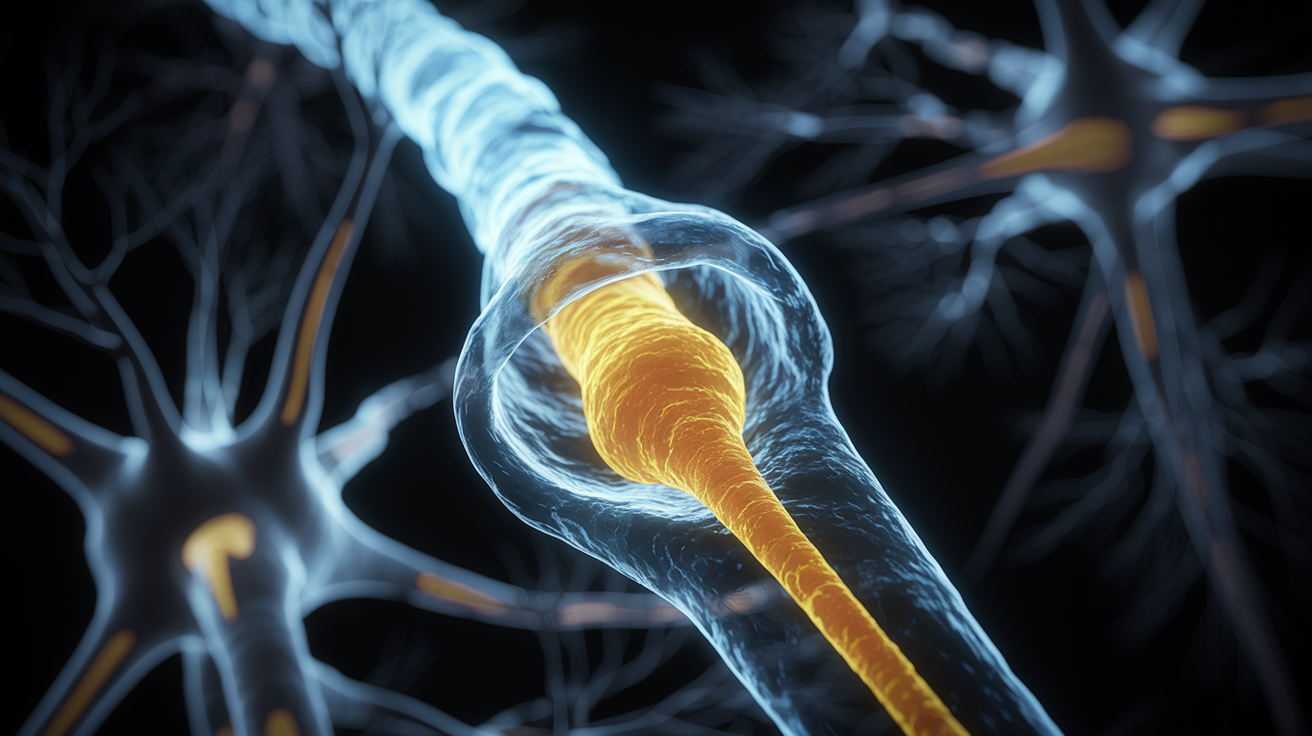
Multiple sclerosis (MS) is a chronic autoimmune disease affecting over 2.8 million people worldwide. In MS, the immune system attacks the myelin sheath — the protective coating around nerve fibers — leading to inflammation, demyelination, and progressive neurological disability. At the cellular level, oxidative stress plays a central role in oligodendrocyte damage and myelin destruction.
The discovery that NRF2 activators can protect oligodendrocytes — the cells responsible for producing myelin — has opened a promising new chapter in MS research and treatment.
The Landmark Amsterdam Study
A groundbreaking study by J. Lim, S. van der Pol, J. Drexhage, E. de Vries, and J. van Horssen (Amsterdam, NL), presented at the 5th Joint Triennial Congress of the European and Americas Committees for Treatment and Research in Multiple Sclerosis, investigated whether four different NRF2 activators could boost antioxidant enzyme expression in oligodendrocytes and protect them from reactive oxygen species (ROS)-mediated cell death.
The four NRF2 activators compared were:
- BG-12 (dimethyl fumarate / Tecfidera) — Now FDA-approved for relapsing MS
- tBHQ (tert-butylhydroquinone) — A synthetic antioxidant and NRF2 inducer
- SFN (sulforaphane) — A natural compound abundant in broccoli sprouts
- Protandim — A botanical NRF2 activator supplement containing turmeric, bacopa, ashwagandha, green tea, and milk thistle
Key Findings: Protandim Shows Most Potent Induction
The study's conclusion was striking: "BG-12, tBHQ, SFN and Protandim are well-tolerated and strongly induce Nrf2-driven antioxidant enzyme production in oligodendrocytes, with Protandim showing the most potent induction."
All four compounds successfully:
- Activated the NRF2 pathway in oligodendrocytes
- Increased production of antioxidant enzymes including HO-1, NQO1, and SOD
- Protected oligodendrocytes from ROS-induced cell death
- Were well-tolerated with minimal toxicity at effective doses
Tecfidera (BG-12): From Lab to FDA Approval
Dimethyl fumarate (DMF), marketed as Tecfidera by Biogen, became the first NRF2-activating drug approved by the FDA for treating relapsing forms of multiple sclerosis. In clinical trials, Tecfidera reduced annualized relapse rates by approximately 44-53% compared to placebo and significantly reduced brain lesions visible on MRI.
Tecfidera works by activating NRF2, which in turn upregulates a battery of cytoprotective genes. This dual mechanism — anti-inflammatory and neuroprotective — makes it particularly effective in MS, where both inflammation and oxidative damage drive disease progression. Learn more about FDA-approved NRF2 drugs in our comprehensive guide to NRF2-activating pharmaceuticals.
Oxidative Stress in Multiple Sclerosis
MS is fundamentally a disease of oxidative imbalance. The inflammatory cascade in MS lesions generates massive quantities of ROS and reactive nitrogen species (RNS). These free radicals directly damage:
- Oligodendrocytes — leading to demyelination
- Axons — causing neurodegeneration
- The blood-brain barrier — allowing further immune cell infiltration
NRF2 activation addresses all three of these pathological processes simultaneously, making it an ideal therapeutic target for MS.
Natural NRF2 Activation for MS Patients
While Tecfidera requires a prescription, several natural NRF2 activators show promise for supporting neurological health alongside conventional treatment:
- Sulforaphane from broccoli sprouts — The most studied natural NRF2 activator, capable of crossing the blood-brain barrier
- Curcumin from turmeric — Potent anti-inflammatory and NRF2 inducer
- EGCG from green tea — Crosses the blood-brain barrier and activates NRF2
Always consult your neurologist before adding supplements to your MS treatment plan, as interactions with disease-modifying therapies are possible.
The Future of NRF2 in MS Treatment
Research into NRF2-based MS therapies continues to expand. Next-generation NRF2 activators with improved brain penetration and fewer side effects are in development. The success of Tecfidera has validated the NRF2 pathway as a legitimate pharmaceutical target, and combination therapies that pair NRF2 activation with existing immunomodulatory drugs represent a promising frontier.
For MS patients and their families, the NRF2 pathway offers genuine hope — not just for symptom management, but for addressing the fundamental oxidative damage that drives disease progression.
References
- Lim JL, van der Pol SM, et al. "Protective potential of NRF2 activators in oligodendrocytes." ECTRIMS/ACTRIMS Joint Congress, Amsterdam, 2011.
- Gold R, et al. "Placebo-controlled phase 3 study of oral BG-12 for relapsing multiple sclerosis." N Engl J Med. 2012;367(12):1098-107.
- Linker RA, et al. "Fumaric acid esters exert neuroprotective effects in neuroinflammation via activation of the Nrf2 antioxidant pathway." Brain. 2011;134(Pt 3):678-92.