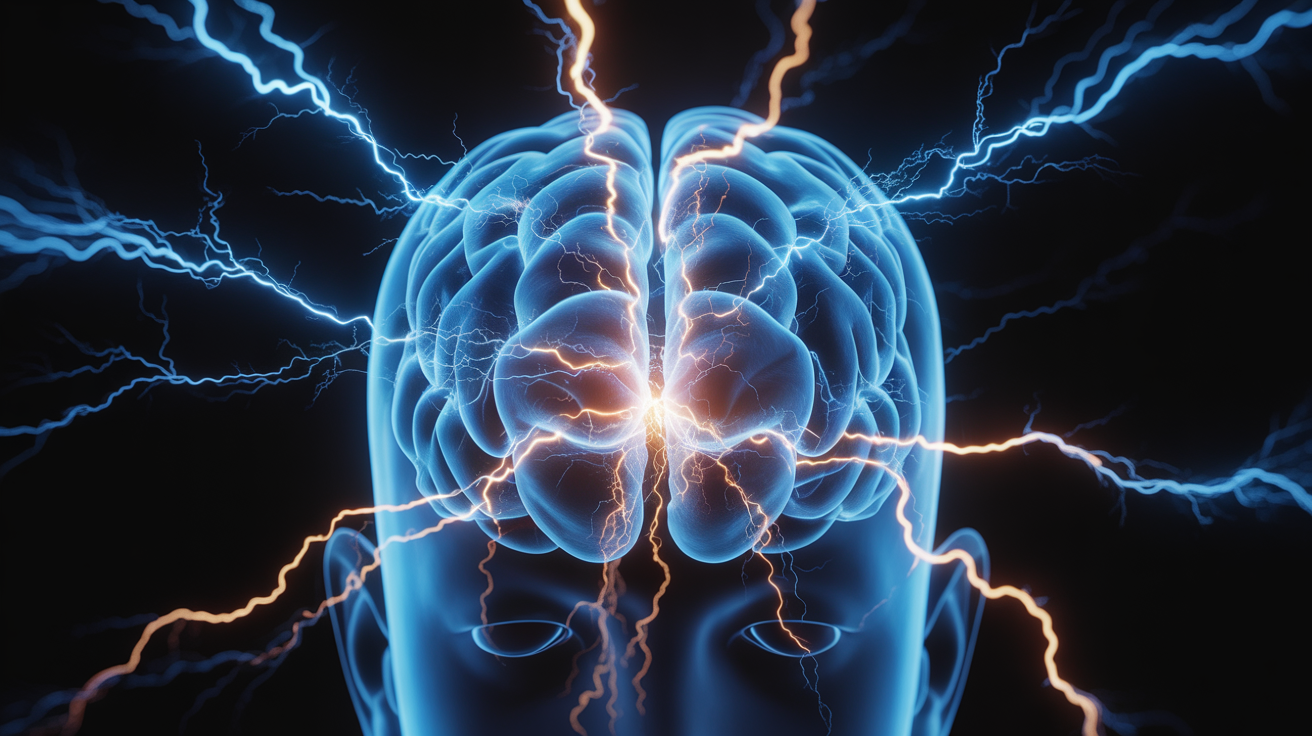
A New Approach to Preventing Seizure-Induced Brain Damage
Epilepsy affects over 50 million people worldwide, making it one of the most common neurological disorders. While anti-seizure medications can control symptoms for many patients, they do little to prevent the progressive neuronal damage caused by repeated seizures. A groundbreaking research project at University College London (UCL) is investigating whether NRF2 activation could fill this critical gap.
Professor Matthew Walker and his research team at UCL have received £133,755 from Epilepsy Research UK to conduct a 30-month study entitled "Preventing seizure-induced cell death by NADPH oxidase inhibition and Nrf2 induction."
Two Strategies Against Oxidative Damage
The research targets two complementary approaches to combating the oxidative stress that causes seizure-related brain damage:
- Approach A (Attacking): Inhibiting NADPH oxidase, a well-known enzyme that produces reactive oxygen species (ROS), to cut off the source of oxidative damage
- Approach B (Defending): Activating NRF2 to increase neurons' ability to break down ROS into less damaging molecules
The team will use advanced techniques to compare which approach — or combination of both — is most effective at preventing seizure-induced neuronal death and studying the longer-term consequences of each strategy.
Why Oxidative Stress Matters in Epilepsy
During a seizure, neurons fire rapidly and uncontrollably. This hyperactivity dramatically increases cellular energy demands and generates massive amounts of ROS. The resulting oxidative stress can:
- Directly damage neuronal DNA, lipids, and proteins
- Trigger inflammatory cascades that worsen tissue damage
- Cause excitotoxicity through excessive glutamate release
- Lead to permanent neuronal death, especially in the hippocampus
This seizure-induced neuronal loss is responsible for the cognitive decline, memory problems, and increased seizure susceptibility seen in many epilepsy patients over time.
NRF2's Potential in Epilepsy
Preliminary evidence from the Walker lab suggests that NRF2 activation may be particularly well-suited for epilepsy treatment because:
- Speed of response — NRF2 can rapidly upregulate protective enzymes within hours of activation
- Multi-pathway protection — NRF2 simultaneously boosts glutathione synthesis, SOD, catalase, and HO-1
- Anti-inflammatory effects — NRF2 suppresses NF-κB-driven neuroinflammation that follows seizures
- Mitochondrial protection — NRF2 maintains mitochondrial function during the energy crisis of seizures
NRF2-Activating Strategies for Brain Health
While this research is still ongoing, general NRF2-supporting strategies include:
- Sulforaphane from broccoli sprouts — Has demonstrated neuroprotective effects in seizure models
- Regular physical exercise — Known to activate NRF2 and reduce seizure frequency in some patients
- Curcumin from turmeric — Shown to have anticonvulsant properties alongside NRF2 activation
Always consult your neurologist before making any changes to your epilepsy management plan.
References
- Epilepsy Research UK. "Preventing seizure induced cell death by NADPH oxidase inhibition and Nrf2 induction." University College London research grant.
- Mazzuferi M, et al. "Nrf2 defense pathway: Experimental evidence for its protective role in epilepsy." Ann Neurol. 2013;74(4):560-8.