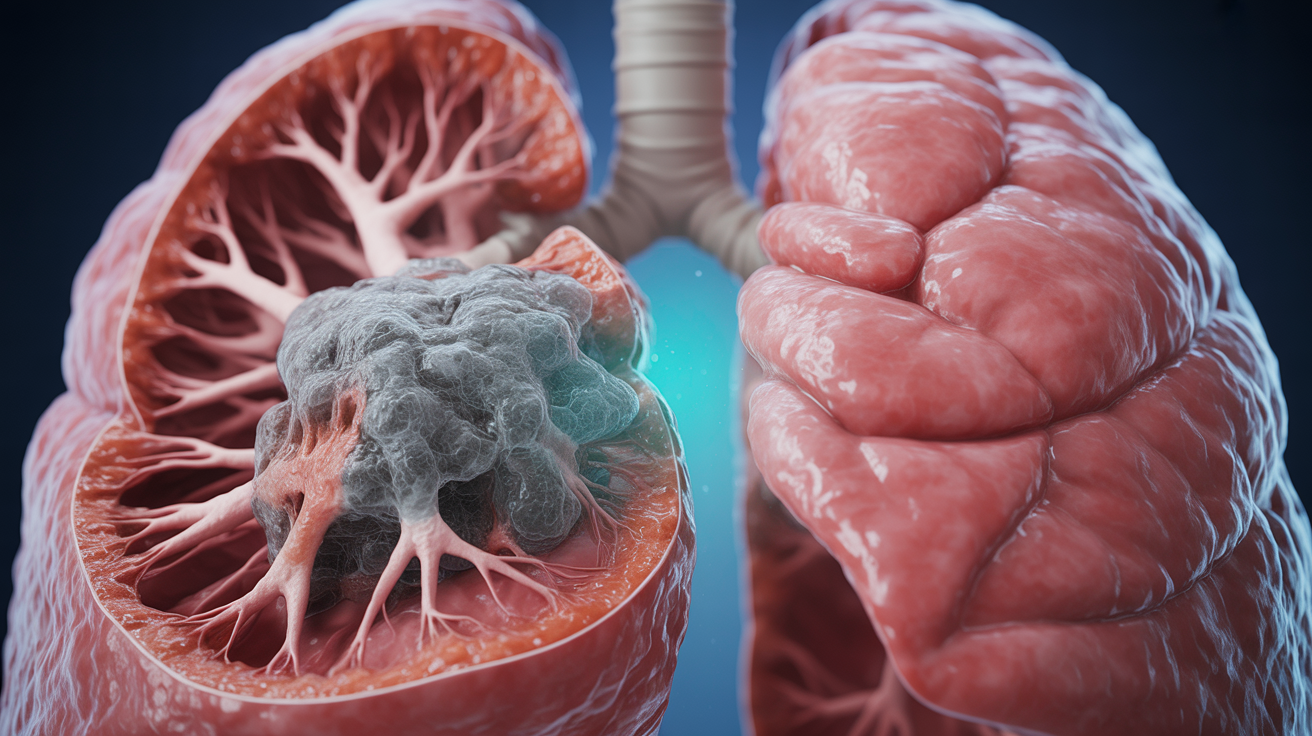
Fibrosis: The Silent Scarring of Aging
Fibrosis — the excessive accumulation of scar tissue — is one of the most significant consequences of aging. It affects virtually every organ, from the lungs and liver to the heart and kidneys. Pathological fibrosis is estimated to contribute to nearly 45% of all deaths in the developed world.
A landmark article published in Science Magazine presents a study demonstrating how pathological fibrosis increases with age — but more importantly, how NRF2 activation was able to reverse the damage and repair lung capacity in aged mice.
The Nox4-NRF2 Redox Imbalance
The study identified a critical molecular imbalance that drives persistent fibrosis in aging:
- Nox4 (NADPH oxidase 4) — An enzyme that produces reactive oxygen species. Its levels INCREASE with age.
- NRF2 — The master antioxidant regulator. Its activity DECREASES with age.
This growing imbalance — rising Nox4 paired with declining NRF2 — creates a vicious cycle where myofibroblasts (scar-producing cells) become resistant to normal clearance mechanisms. Instead of resolving after tissue repair, they persist and continue producing excessive collagen, leading to progressive organ scarring.
The Breakthrough: Reversing Established Fibrosis
What made this study truly groundbreaking was the finding that targeting the Nox4-NRF2 imbalance could not just prevent new fibrosis, but actually reverse existing, established fibrosis. The abstract concludes with the promising statement:
"The studies suggest that restoration of Nox4-Nrf2 redox balance in myofibroblasts may be a therapeutic strategy in age-associated fibrotic disorders, potentially able to resolve persistent fibrosis or even reverse its progression."
Key findings included:
- Persistent fibrosis in lungs of aged mice was caused by the loss of cellular redox balance
- Mice with low NRF2 expression had a higher incidence of progressive lung disease
- Tissues from human lung samples demonstrated this same Nox4-NRF2 imbalance
- Restoring NRF2 activity in aged mice led to resolution of established fibrotic lesions
Implications for Human Health
The confirmation that human tissues show the same Nox4-NRF2 imbalance makes these findings directly relevant to human health. Age-related fibrosis contributes to:
- Idiopathic pulmonary fibrosis (IPF) — Progressive, fatal lung scarring
- Liver cirrhosis — End-stage liver fibrosis
- Cardiac fibrosis — Leading to heart failure
- Kidney fibrosis — Contributing to chronic kidney disease
Supporting NRF2 to Combat Age-Related Fibrosis
While pharmaceutical Nox4 inhibitors and NRF2 activators are in development, several natural strategies may support healthy NRF2 activity as we age:
- Broccoli sprouts — Sulforaphane is the most potent natural NRF2 activator studied for fibrosis
- Turmeric — Curcumin has demonstrated anti-fibrotic properties through NRF2 activation
- Regular exercise — Activates NRF2 and reduces age-related fibrosis markers
- Olive oil — Polyphenols support NRF2 and have anti-fibrotic effects
References
- Hecker L, et al. "Reversal of persistent fibrosis in aging by targeting Nox4-Nrf2 redox imbalance." Sci Transl Med. 2014;6(231):231ra47.