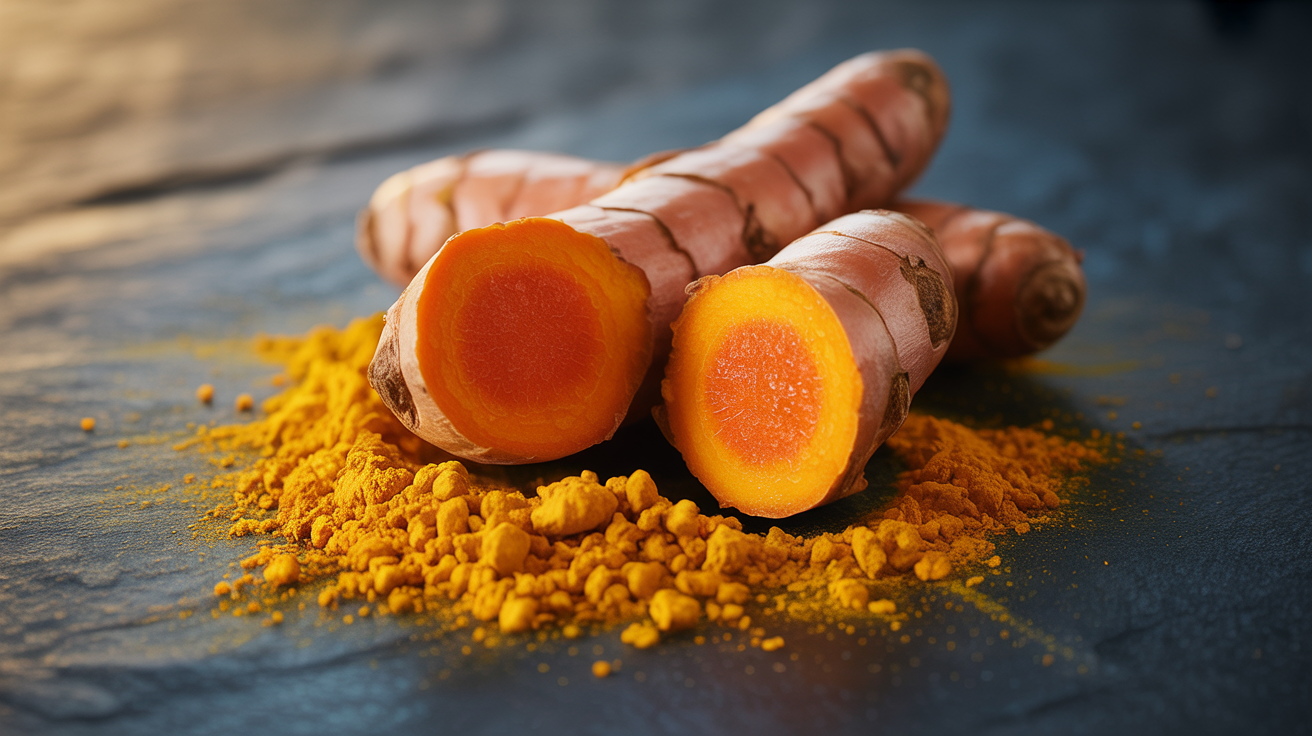
Curcumin: A Potent NRF2 Activator
Curcumin (diferuloylmethane) is the principal bioactive compound in turmeric (Curcuma longa), used for millennia in traditional medicine. Modern research has revealed its mechanism: curcumin is an electrophilic compound that modifies KEAP1 cysteine sensors, releasing NRF2 to activate cellular defense genes.
With over 12,000 published studies, curcumin is among the most researched natural compounds in biomedical science. Its NRF2-activating properties contribute to documented anti-inflammatory, antioxidant, and neuroprotective effects.
Mechanism of NRF2 Activation
Curcumin activates NRF2 through multiple pathways:
- Direct KEAP1 modification: The α,β-unsaturated carbonyl groups in curcumin react with KEAP1 cysteine residues (particularly C151), disrupting KEAP1-NRF2 binding
- KEAP1 expression reduction: Curcumin can downregulate KEAP1 mRNA expression
- Epigenetic modulation: Curcumin can demethylate the NRF2 gene promoter, enhancing NRF2 transcription
The Bioavailability Challenge
Raw curcumin has notoriously poor bioavailability — less than 1% reaches the bloodstream. Solutions include:
- BioPerine® (piperine): Black pepper extract increases curcumin absorption by 2,000%
- Lipid formulations: Fat-soluble curcumin absorbed better with dietary fats
- Nano-curcumin: Nanoparticle formulations improve cellular uptake
- Curcumin phytosomes: Phospholipid complexes enhance absorption
Research Highlights
Clinical and preclinical studies have demonstrated curcumin's NRF2-mediated benefits in multiple conditions including metabolic syndrome, neurodegenerative disease, cardiovascular health, and chronic inflammatory conditions. A 2024 meta-analysis in Frontiers in Pharmacology confirmed significant increases in NRF2-regulated gene expression with standardized curcumin supplementation.
Disclaimer: Consult a healthcare professional before supplementing, especially if taking blood thinners or medications metabolized by CYP enzymes.