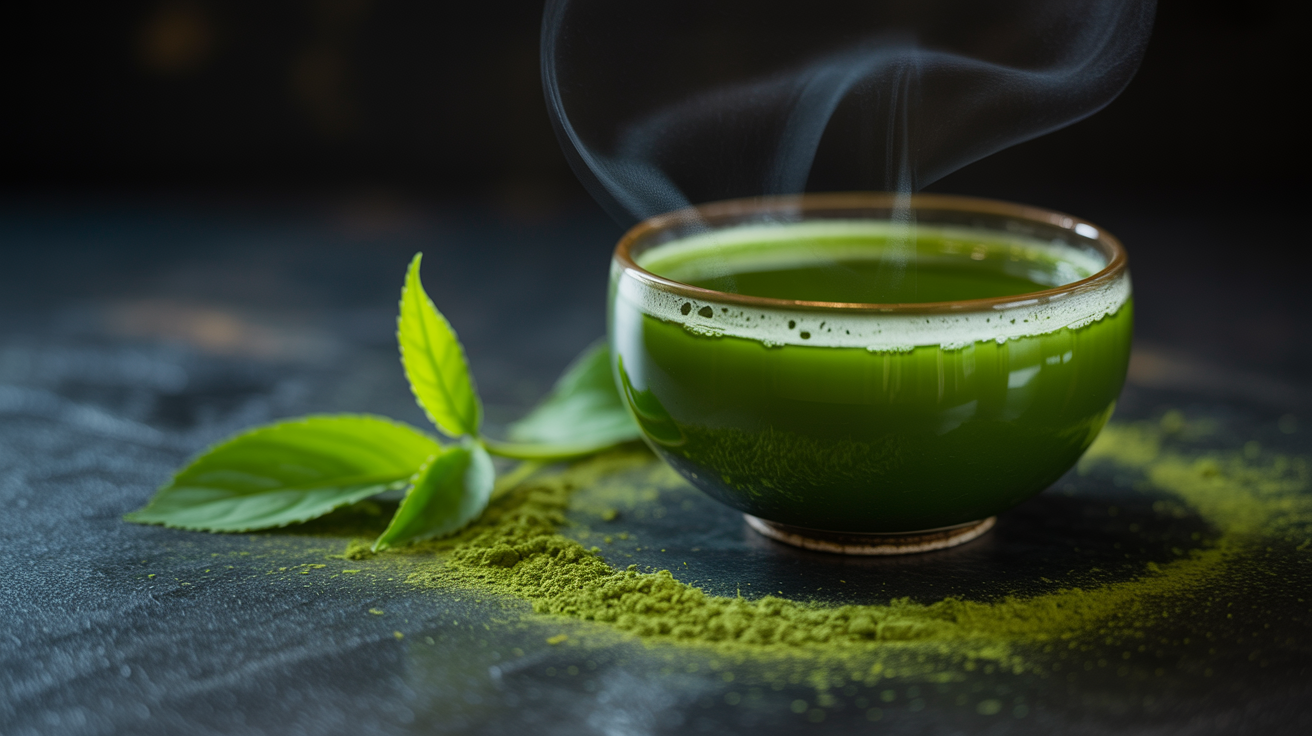
EGCG: Green Tea's NRF2 Activator
Epigallocatechin gallate (EGCG) is the most abundant and biologically active catechin in green tea, comprising 50-80% of total catechin content. Research spanning over 10,000 studies has established EGCG as a potent NRF2 activator with broad health benefits.
NRF2 Activation Mechanisms
EGCG activates NRF2 through multiple complementary pathways:
- KEAP1 modification: EGCG's phenolic hydroxyl groups can modify KEAP1 cysteine residues
- PI3K/Akt pathway: EGCG stimulates PI3K/Akt signaling, which phosphorylates NRF2 and promotes nuclear translocation
- MAPK activation: ERK and p38 MAPK pathways activated by EGCG contribute to NRF2 stabilization
- Epigenetic effects: EGCG inhibits DNA methyltransferases, potentially demethylating the NRF2 promoter
Health Benefits Through NRF2
Clinical and epidemiological studies associate regular green tea consumption with:
- Reduced cardiovascular disease risk (meta-analysis: 20-28% reduction)
- Lower cancer incidence, particularly in high-consumption populations
- Improved cognitive function and reduced neurodegenerative risk
- Enhanced liver function and detoxification capacity
- Better metabolic health and insulin sensitivity
Optimal Consumption
Research suggests 3-5 cups of green tea daily provides approximately 250-400mg of EGCG — doses shown to significantly activate NRF2 in clinical studies. Matcha green tea contains even higher concentrations, as the whole leaf is consumed rather than just an infusion.
For maximum benefit, brew green tea at 70-80°C (not boiling) for 3-5 minutes to optimize catechin extraction without excessive tannin release.
Synergistic NRF2 Activation
EGCG works synergistically with other NRF2 activators. Combining green tea with curcumin, sulforaphane, or resveratrol may produce enhanced NRF2 activation compared to any single compound alone — a concept known as "multi-pathway NRF2 activation."