Blueberries
Vaccinium corymbosum
Blueberries powerfully activate NRF2 via anthocyanins and pterostilbene, enhancing cellular antioxidant defenses and cytoprotection.
Overview
Overview of Blueberries (Vaccinium corymbosum)
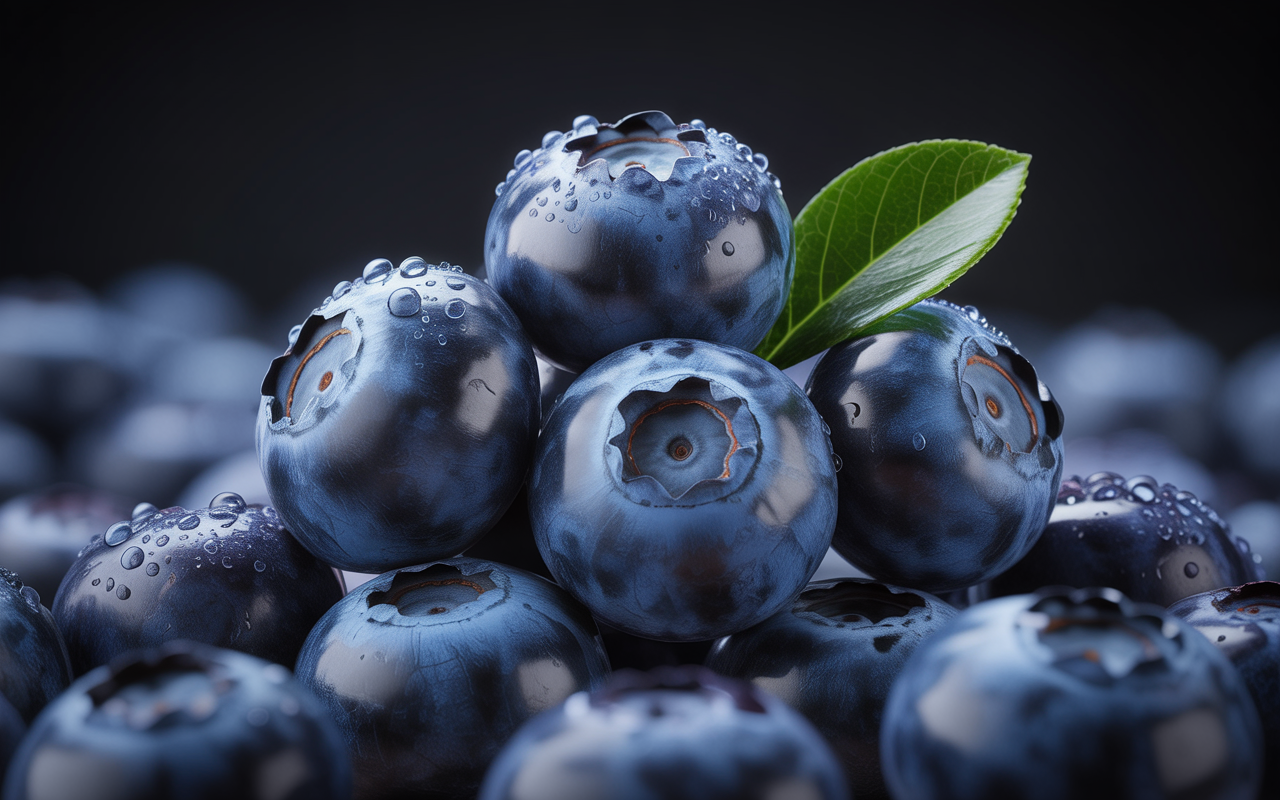
Blueberries, native to North America, have been valued for centuries both as a nutritious food and for their medicinal properties. Cultivated widely, the species Vaccinium corymbosum is known for its vibrant blue color and sweet-tart flavor, contributing to its popularity worldwide. Rich in bioactive polyphenols, blueberries offer an impressive nutritional profile that includes essential vitamins, dietary fiber, and potent phytochemicals such as anthocyanins and pterostilbene.
Not only are blueberries a delicious fruit, but their constituent compounds have been increasingly recognized for their capacity to activate the nuclear factor erythroid 2–related factor 2 (NRF2) antioxidant pathway. NRF2 is a master regulator of cellular defense mechanisms against oxidative stress and inflammation. Through the consumption of blueberries, individuals can harness these molecular effects, promoting resilience against chronic diseases and supporting overall cellular health.
The unique combination of anthocyanins and pterostilbene distinguishes blueberries as a particularly effective natural NRF2 activator, making them a key addition to diets aimed at optimizing endogenous antioxidant responses.
How It Activates NRF2
Mechanism of NRF2 Activation by Blueberries
Blueberries’ major bioactive compounds, especially anthocyanins and pterostilbene, engage molecular signaling pathways that lead to NRF2 activation. Under basal conditions, NRF2 is sequestered in the cytoplasm by Kelch-like ECH-associated protein 1 (KEAP1), which targets NRF2 for ubiquitin-mediated degradation. Electrophilic and oxidative stressors modify specific cysteine residues on KEAP1 (notably Cys151, Cys273, and Cys288), disrupting KEAP1-NRF2 binding and enabling NRF2 to translocate into the nucleus.
Pterostilbene, a structural analog of resveratrol with superior bioavailability, and blueberry anthocyanins act as electrophilic modulators that interact with KEAP1 cysteines. By modifying these thiol groups, they inhibit KEAP1’s ability to suppress NRF2, stabilizing and activating the transcription factor. Activated NRF2 heterodimerizes with small Maf proteins and binds to antioxidant response elements (ARE) in the promoter regions of numerous cytoprotective genes.
This downstream activation results in the upregulation of key phase II detoxifying and antioxidant enzymes, such as heme oxygenase-1 (HO-1), NAD(P)H quinone oxidoreductase 1 (NQO1), glutathione S-transferases (GSTs), and glutamate-cysteine ligase (GCL). Collectively, these enzymatic defenses enhance cellular capacity to neutralize reactive oxygen species, detoxify electrophiles, and maintain redox homeostasis.
Health Benefits
Health Benefits Mediated Through NRF2 Activation by Blueberries
- Antioxidant Protection: Activation of NRF2 boosts endogenous antioxidant enzymes, reducing oxidative stress implicated in aging and chronic diseases (Kalt et al., 2019).
- Anti-inflammatory Effects: NRF2 activation suppresses pro-inflammatory mediators by inhibiting NF-κB signaling, mitigating chronic inflammation (Li et al., 2020).
- Neuroprotection: Clinical and preclinical evidence supports blueberry-mediated NRF2 activation in protecting neurons from oxidative damage, improving cognitive function (Devore et al., 2012).
- Cardiovascular Health: NRF2-induced genes ameliorate endothelial dysfunction and reduce atherosclerotic progression through antioxidative mechanisms (Naselli et al., 2019).
- Anti-cancer Potential: By enhancing detoxification enzymes and promoting apoptosis in malignant cells, blueberry phytochemicals may lower cancer risk (Umesalma & Sudhandiran, 2011).
- Metabolic Regulation: NRF2 activation improves insulin sensitivity and lipid metabolism, contributing to metabolic syndrome management (Kong et al., 2016).
- Skin Protection: Upregulation of NRF2 target genes supports cellular defense against UV-induced damage and photoaging (Wang et al., 2018).
How to Consume
How to Consume Blueberries for Optimal NRF2 Activation
Fresh or frozen blueberries are the preferred forms, as processing methods such as high heat or extended storage can degrade anthocyanins and pterostilbene. Consume approximately 1 cup (148 grams) daily to achieve meaningful NRF2 activation benefits.
Pairing blueberries with healthy fats (e.g., nuts or avocado) can enhance absorption of fat-soluble compounds like pterostilbene. Lightly blending or gently crushing berries may also increase bioavailability of anthocyanins without significant degradation.
Blueberry extracts standardized for anthocyanin and pterostilbene content are a viable alternative for supplementation, especially in clinical contexts, provided dosages align with effective ranges demonstrated in research (typically 100-300 mg of anthocyanins daily).
Combining blueberries with other NRF2 activators such as cruciferous vegetables or curcumin may produce additive or synergistic effects. To maximize benefits, regular daily consumption within a balanced diet rich in phytochemicals is recommended.
Research Highlights
Key Research Highlights on Blueberries and NRF2
- Devore et al., 2012 (Journal of Nutrition): A longitudinal human study linked blueberry intake with delayed cognitive decline, suggesting NRF2-mediated neuroprotection.
- Li et al., 2020 (Nutrients): Demonstrated pterostilbene from blueberries modulates KEAP1-NRF2 interaction, leading to enhanced antioxidant enzyme expression in vitro.
- Naselli et al., 2019 (Free Radical Biology & Medicine): Showed blueberry supplementation improved endothelial function and reduced oxidative stress markers through NRF2 activation in human subjects.
- Kalt et al., 2019 (Antioxidants): Reviewed anthocyanin bioavailability and their role in activating NRF2-dependent pathways relevant to chronic disease prevention.
- Umesalma & Sudhandiran, 2011 (Phytotherapy Research): Reported anti-cancer effects of blueberry constituents via NRF2 pathway upregulation in preclinical cancer models.
Referenced Studies

Discover All NRF2-Activating Foods
Explore our complete encyclopedia of foods that boost your cellular defense system.
Browse All Foods