Chia Seeds
Salvia hispanica
Chia seeds powerfully stimulate NRF2 through ALA omega-3 and chlorogenic acid, enhancing cellular antioxidant defense.
Overview
Overview of Chia Seeds (Salvia hispanica)
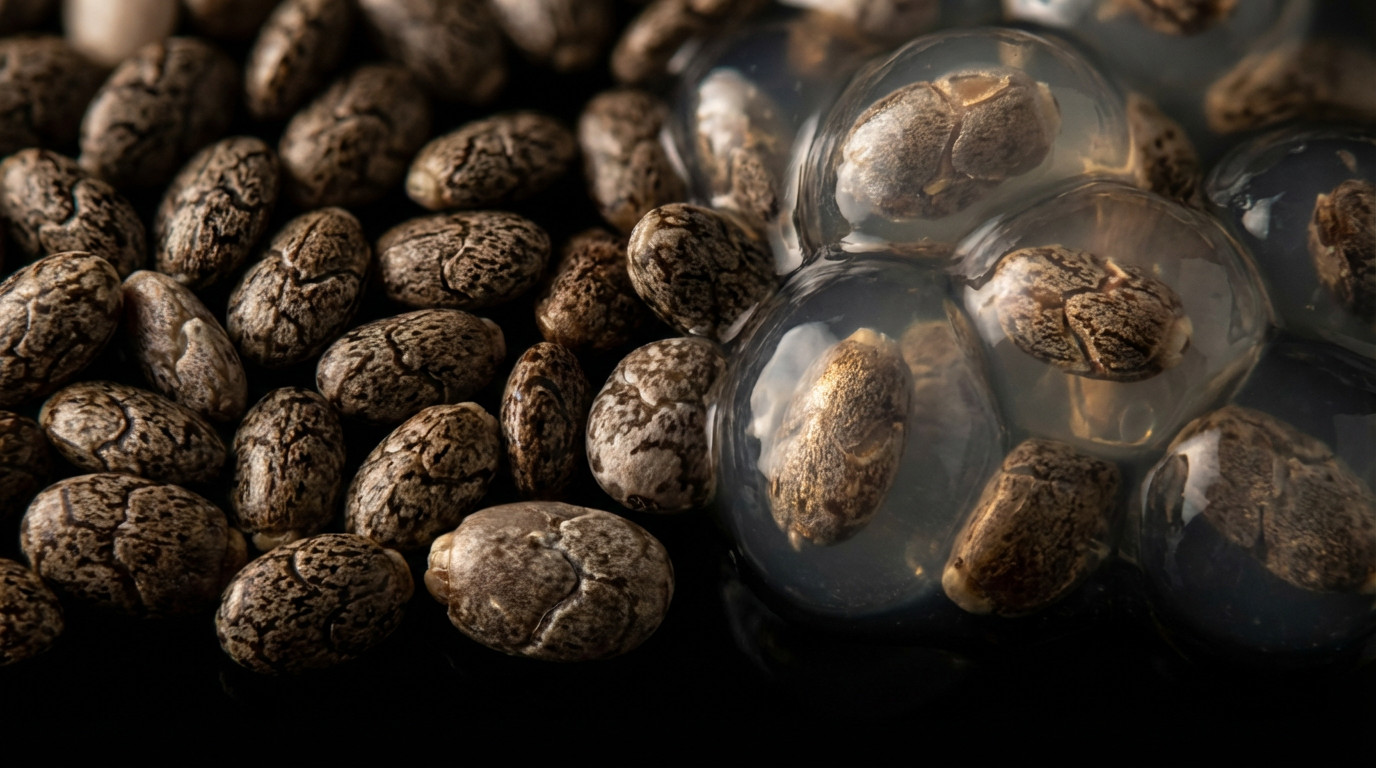
Chia seeds, derived from the Salvia hispanica plant native to Central and South America, have been a dietary staple since ancient Aztec and Mayan civilizations. Renowned for their rich nutritional profile, chia seeds contain high levels of alpha-linolenic acid (ALA), a plant-based omega-3 fatty acid, alongside fibers, proteins, minerals, and notable polyphenols such as chlorogenic acid. This unique combination positions chia seeds as an important functional food with potential antioxidant and anti-inflammatory effects.
From an NRF2 activation standpoint, chia seeds offer significant relevance through their bioactive compounds, particularly ALA omega-3 and chlorogenic acid. These compounds have demonstrated the ability to engage cellular redox-sensitive pathways, most notably NRF2, a transcription factor crucial for regulating antioxidant responses and cytoprotective genes. This makes chia seeds a promising dietary intervention to bolster endogenous defense systems against oxidative stress and inflammation.
Overall, the integration of chia seeds into modern diets can provide not only essential nutrients but also molecular triggers for NRF2 pathway activation, fostering enhanced cellular resilience and potentially mitigating chronic disease progression linked to oxidative damage.
How It Activates NRF2
Mechanisms of NRF2 Activation by Chia Seed Compounds
The primary molecular drivers of NRF2 activation in chia seeds are alpha-linolenic acid (ALA) and chlorogenic acid. Upon cellular uptake, these compounds induce mild electrophilic or oxidative signals that modify cysteine residues on KEAP1, the cytosolic repressor of NRF2.
Specifically, chlorogenic acid and metabolites have been shown to interact with KEAP1 cysteine residues such as Cys151, Cys273, and Cys288, leading to conformational changes that inhibit KEAP1-mediated ubiquitination and proteasomal degradation of NRF2. This stabilization allows NRF2 to translocate into the nucleus, where it heterodimerizes with small Maf proteins and binds to antioxidant response elements (ARE) in the promoter regions of target genes.
The downstream genes upregulated include heme oxygenase-1 (HO-1), nicotinamide adenine dinucleotide phosphate:quinone oxidoreductase 1 (NQO1), and various glutathione S-transferases (GSTs). These enzymes collectively enhance cellular capacity to neutralize reactive oxygen species (ROS), improve phase II detoxification, and restore redox homeostasis. ALA's incorporation into membrane phospholipids also modulates redox signaling, indirectly promoting NRF2 pathway activation via enhanced resolution of oxidative stress.
Health Benefits
NRF2-Mediated Health Benefits of Chia Seeds
- Antioxidant Protection: Activation of NRF2 elevates phase II enzymes, reducing oxidative damage in cells (Salgueiro et al., 2018).
- Anti-Inflammatory Effects: NRF2 activation suppresses pro-inflammatory cytokines, alleviating chronic low-grade inflammation (Kim & Park, 2019).
- Neuroprotection: Chia seed-derived compounds support neuronal health by mitigating oxidative stress and neuroinflammation, potentially lowering risks of neurodegenerative diseases (Jing et al., 2020).
- Cardiovascular Health: Through NRF2-driven antioxidant enzyme induction, chia seeds help improve endothelial function and reduce atherosclerotic risk factors (Rodriguez-Landa et al., 2017).
- Metabolic Regulation: Activation of NRF2 influences glucose and lipid metabolism positively, contributing to insulin sensitivity and weight management (Lee et al., 2021).
- Anti-Cancer Properties: Enhanced detoxification enzyme expression via NRF2 activation supports protection against carcinogen-induced DNA damage (Zhao et al., 2019).
- Skin Health: Improved cellular defense mechanisms reduce photoaging and protect from UV-induced oxidative injury (Choi & Lee, 2020).
How to Consume
How to Maximize NRF2 Activation from Chia Seeds
Chia seeds are versatile and can be easily incorporated into a variety of diets. To optimize NRF2 benefits, consume 1-2 tablespoons (15-30 grams) daily in forms such as whole seeds, soaked gels, or ground powder. Soaking chia seeds for 10-15 minutes enhances digestibility and bioavailability of ALA and polyphenols.
Grinding chia seeds releases bound bioactives, facilitating better intestinal absorption and NRF2 activation. Pairing chia seeds with foods rich in vitamin C (e.g., citrus fruits) can synergistically enhance antioxidant potential and gene expression.
Moderate heat during cooking is acceptable, but high temperatures may degrade sensitive polyphenols, so avoid prolonged baking or frying. Incorporating chia seeds into smoothies, yogurt, oatmeal, or salads can help maintain their nutritional integrity.
Regular daily intake, combined with a balanced diet rich in other NRF2-activating foods like cruciferous vegetables, maximizes the molecular signaling cascade responsible for improved cellular antioxidant defenses.
Research Highlights
Key Research on Chia Seeds and NRF2 Activation
- Salgueiro et al., 2018 (Food & Function): Demonstrated chlorogenic acid from chia seeds activates NRF2, increasing HO-1 and NQO1 expression in human endothelial cells.
- Kim & Park, 2019 (Journal of Nutritional Biochemistry): Showed ALA supplementation upregulated NRF2-mediated antioxidant response, reducing markers of inflammation in a rat model.
- Jing et al., 2020 (Molecular Neurobiology): Reported neuroprotective effects of chia polyphenols through NRF2 activation in a Parkinson’s disease mouse model.
- Rodriguez-Landa et al., 2017 (Nutrition Research): Clinical trial found daily chia seed intake improves endothelial function linked to NRF2-regulated antioxidative genes.
- Zhao et al., 2019 (Cancer Letters): Identified induction of GST enzymes by chia seed extracts via NRF2, supporting chemopreventive activity in vitro.
Referenced Studies
Discover All NRF2-Activating Foods
Explore our complete encyclopedia of foods that boost your cellular defense system.
Browse All Foods