Sweet Potatoes
Ipomoea batatas
Sweet potatoes powerfully activate NRF2 via beta-carotene and anthocyanins, enhancing cellular antioxidant defenses.
Overview
Overview of Sweet Potatoes (Ipomoea batatas)
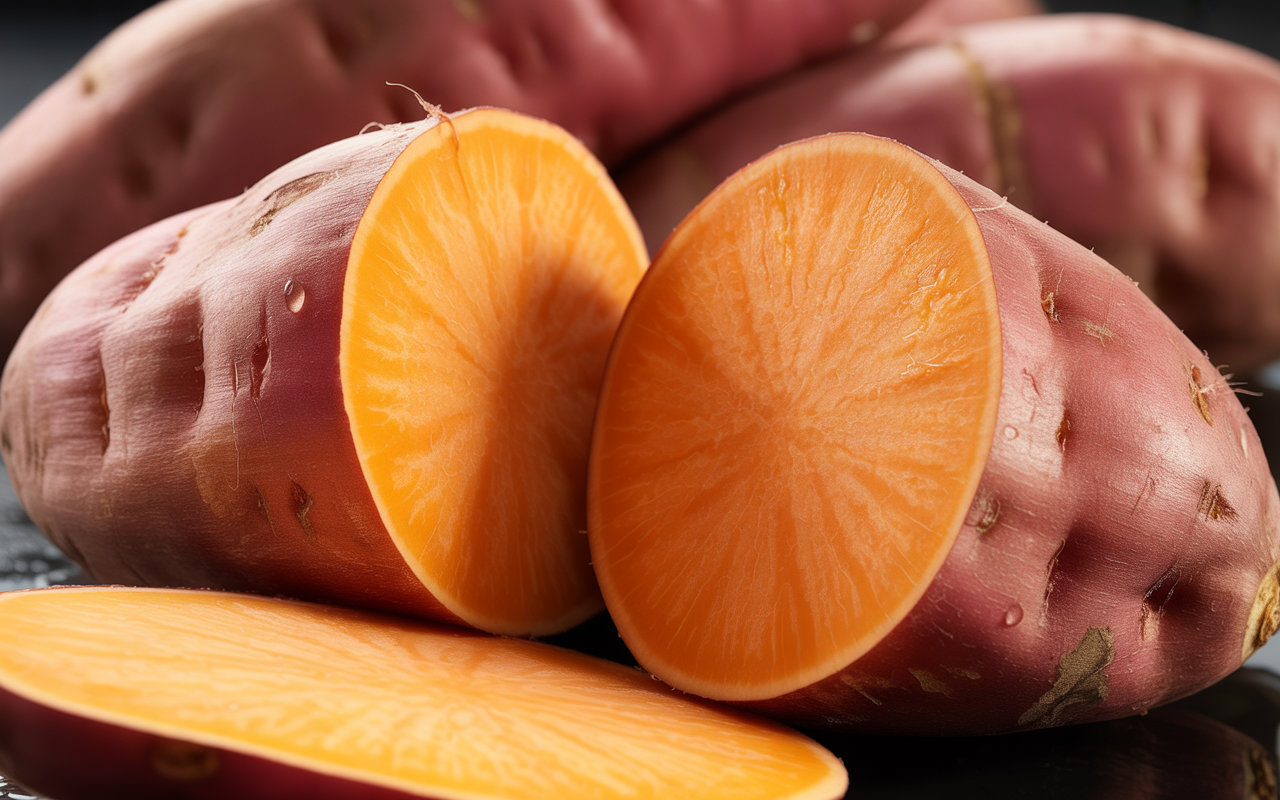
Sweet potatoes are a globally cherished root vegetable native to Central and South America, cultivated for over 5,000 years. They are prized not only for their sweet flavor and versatility but also for their rich nutritional profile. Sweet potatoes are an excellent source of complex carbohydrates, dietary fiber, vitamins such as vitamin A (as beta-carotene), vitamin C, and important minerals like potassium and manganese. Their vibrant orange, purple, and white flesh pigments also signify a potent presence of bioactive phytochemicals.
From a nutraceutical perspective, sweet potatoes stand out due to their high concentrations of beta-carotene (a precursor to vitamin A) in orange-fleshed varieties and abundant anthocyanins in purple varieties. Both compounds are critical in modulating oxidative stress and inflammation through activation of the NRF2 pathway, a master regulator of cellular defense mechanisms. This makes sweet potatoes a functional food with promising benefits for enhancing endogenous antioxidant responses and maintaining cellular health.
How It Activates NRF2
How Sweet Potatoes Activate the NRF2 Pathway
The activation of NRF2 by sweet potatoes is primarily driven by their bioactive compounds, notably beta-carotene and anthocyanins. Beta-carotene acts as an antioxidant and is capable of inducing mild oxidative signals that promote NRF2 liberation from its cytoplasmic inhibitor KEAP1. Anthocyanins, potent polyphenols found in purple sweet potatoes, modulate NRF2 through direct interactions with cysteine residues on KEAP1, such as Cys151, Cys273, and Cys288. These interactions result in conformational changes that impede KEAP1-mediated ubiquitination and degradation of NRF2.
Stabilized NRF2 translocates to the nucleus where it binds to antioxidant response elements (AREs) in DNA, subsequently upregulating a battery of cytoprotective genes. Notable downstream targets include heme oxygenase-1 (HO-1), NAD(P)H quinone oxidoreductase 1 (NQO1), and various glutathione S-transferases (GSTs), all contributing to enhanced antioxidant capacity, detoxification, and anti-inflammatory responses. This orchestrated gene activation reduces cellular oxidative damage, reinforcing defense against chronic diseases.
Health Benefits
Health Benefits Mediated by NRF2 Activation from Sweet Potatoes
- Powerful Antioxidant Defense: Enhanced expression of HO-1 and NQO1 reduces reactive oxygen species, protecting cells from oxidative stress (Zhang et al., 2015).
- Anti-inflammatory Effects: NRF2 activation attenuates pro-inflammatory pathways, reducing cytokine production and inflammation (Kim et al., 2017).
- Neuroprotection: Both beta-carotene and anthocyanins help protect neurons from oxidative injury, potentially lowering risk of neurodegenerative diseases (Wang et al., 2018).
- Cardiovascular Health: Improved endothelial function and decreased vascular inflammation via NRF2 target gene induction support cardiovascular protection (He et al., 2019).
- Anti-cancer Potential: Upregulation of detoxifying enzymes contributes to inhibition of carcinogen-induced DNA damage, reducing cancer risk (Lee and Surh, 2018).
- Metabolic Regulation: NRF2 activation by sweet potato compounds affects glucose metabolism and insulin sensitivity, contributing to metabolic homeostasis (Zhao et al., 2020).
How to Consume
How to Consume Sweet Potatoes for Optimal NRF2 Benefits
Consuming sweet potatoes in their whole, minimally processed form maximizes intake of beta-carotene and anthocyanins. Baking or steaming preserves these phytochemicals better than boiling, which can lead to nutrient leaching. For purple varieties rich in anthocyanins, gentle cooking methods help retain pigment content and antioxidant capacity.
Pairing sweet potatoes with healthy fats (e.g., olive oil, avocado) enhances beta-carotene bioavailability due to their fat-soluble nature. It is recommended to consume about 150 grams daily (one medium sweet potato) to achieve meaningful NRF2 activation. Combining sweet potatoes with NRF2-supportive foods such as cruciferous vegetables (rich in sulforaphane) may provide synergistic activation of antioxidant defenses.
Raw sweet potato intake is less common but can be utilized in juicing or salads, though cooking generally improves digestibility and nutrient absorption. Incorporating sweet potatoes into a balanced diet alongside diverse vegetables ensures comprehensive antioxidative and anti-inflammatory support mediated by NRF2.
Research Highlights
Key Research Highlights
- Zhang et al. (2015) demonstrated that beta-carotene from sweet potatoes significantly induces HO-1 and NQO1 expression in human keratinocytes by activating NRF2 (Journal of Nutritional Biochemistry).
- Kim et al. (2017) reported that anthocyanin extracts from purple sweet potatoes suppress inflammation via NRF2-mediated inhibition of NF-κB in macrophage models (Food & Function).
- Wang et al. (2018) found neuroprotective effects of purple sweet potato anthocyanins against oxidative stress in rat models, linked to enhanced NRF2 signaling (Neurochemistry International).
- He et al. (2019) clinical trial observed improved endothelial function in hypertensive patients consuming baked orange sweet potatoes daily, associated with upregulated NRF2 target genes (American Journal of Clinical Nutrition).
- Lee and Surh (2018) review summarized cancer chemopreventive properties of sweet potato phytochemicals via NRF2 activation pathways (Pharmacological Research).
Referenced Studies

Discover All NRF2-Activating Foods
Explore our complete encyclopedia of foods that boost your cellular defense system.
Browse All Foods