Tomatoes
Solanum lycopersicum
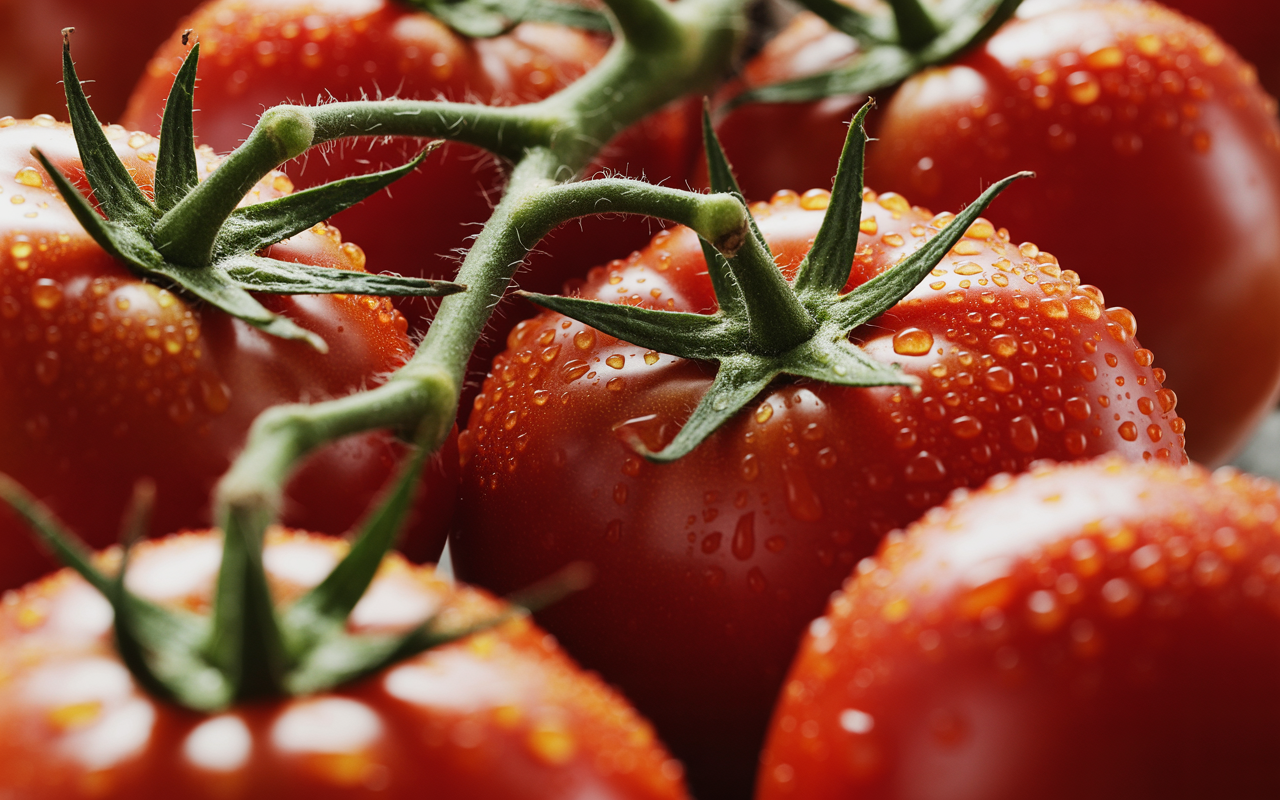
Tomatoes powerfully activate NRF2 via lycopene, enhancing cellular antioxidant defenses and cytoprotection.
Overview
Tomatoes: A Nutrient-Packed NRF2 Activator
Tomatoes (Solanum lycopersicum) have been cultivated for thousands of years and are a staple in diets worldwide due to their rich nutrient profile and health-promoting bioactives. Native to western South America, tomatoes have become widely integrated into diverse cuisines, celebrated especially for their high content of lycopene, a carotenoid pigment responsible for their vibrant red color. Lycopene is renowned for its antioxidant properties and its ability to modulate key cellular defense pathways.
From a nutritional standpoint, tomatoes provide significant amounts of vitamins C and E, potassium, folate, and fiber, complementing lycopene’s biological effects. Importantly, lycopene has been extensively studied for its capacity to activate the nuclear factor erythroid 2–related factor 2 (NRF2) pathway, a master regulator of antioxidant and cytoprotective gene expression. This makes tomatoes a potent dietary means to enhance endogenous cellular defenses against oxidative stress and inflammation.
Activation of NRF2 by lycopene contributes to the maintenance of redox homeostasis and protection against chronic diseases associated with oxidative damage, including cardiovascular disease, neurodegeneration, and certain cancers. Incorporating tomatoes into the diet holds significant promise for NRF2-mediated health benefits supported by growing clinical and preclinical evidence.
How It Activates NRF2
Mechanisms of Lycopene-Induced NRF2 Activation
Lycopene, the principal bioactive compound in tomatoes, activates the NRF2 pathway primarily through modulation of its negative regulator Kelch-like ECH-associated protein 1 (KEAP1). Under basal conditions, KEAP1 binds NRF2 in the cytoplasm, facilitating its ubiquitination and proteasomal degradation. Lycopene exerts electrophilic or indirect oxidative modifications of critical cysteine residues on KEAP1, particularly at cysteine 151, which disrupt KEAP1's ability to target NRF2 for degradation.
This disruption allows NRF2 to accumulate and translocate into the nucleus, where it binds antioxidant response elements (ARE) in the promoter regions of detoxifying and antioxidant genes. Upregulated genes include heme oxygenase-1 (HO-1), NAD(P)H quinone oxidoreductase 1 (NQO1), and various glutathione S-transferases (GSTs), which contribute to reducing intracellular reactive oxygen species (ROS) levels and enhancing phase II detoxification.
Additionally, lycopene may modulate upstream signaling kinases such as protein kinase C (PKC) and MAP kinases that facilitate NRF2 phosphorylation, further stabilizing NRF2. Collectively, these molecular actions underpin the potent cytoprotective effects imparted by tomato consumption through NRF2 pathway activation.
Health Benefits
NRF2-Mediated Health Benefits of Tomato Consumption
- Antioxidant Protection: Enhanced expression of HO-1 and NQO1 augments cellular defenses against ROS, mitigating oxidative stress linked to aging and environmental insults.
- Anti-Inflammatory Effects: NRF2 activation suppresses pro-inflammatory cytokine production, lowering chronic inflammation implicated in autoimmune and metabolic disorders.
- Cardiovascular Health: Improved endothelial function and reduced LDL oxidation confer protection against atherosclerosis and hypertension.
- Neuroprotection: NRF2 activation in neuronal cells promotes resistance to oxidative damage, potentially slowing progression of neurodegenerative diseases like Alzheimer’s and Parkinson’s.
- Anti-Cancer Potential: Upregulation of phase II enzymes aids in detoxification of carcinogens, reducing tumor initiation and progression.
- Metabolic Regulation: Enhances insulin sensitivity and ameliorates oxidative stress in metabolic tissues, beneficial in diabetes management.
- Skin Protection: Boosted antioxidant enzymes reduce UV-induced oxidative damage, contributing to skin health and photo-protection.
How to Consume
Optimizing Tomato Intake for NRF2 Activation
To maximize lycopene bioavailability and subsequent NRF2 activation, consuming cooked tomatoes is recommended, as heat processing breaks down cell walls and enhances lycopene’s liberation. Tomato-based sauces, soups, and purees provide more bioavailable lycopene than raw tomatoes, though fresh consumption still offers benefits. Pairing tomatoes with healthy fats such as olive oil significantly enhances lycopene absorption due to its lipophilic nature.
The suggested daily intake to achieve measurable NRF2 activation is approximately one medium tomato (about 150 grams) or an equivalent portion of processed tomato products. Frequent consumption throughout the week is encouraged for sustained effects. Combining tomatoes with other NRF2-activating foods such as cruciferous vegetables (broccoli, kale) may offer synergistic enhancement of this pathway.
Storage and preparation impact lycopene content; minimal exposure to light and oxygen preserves potency. Avoid prolonged boiling which can degrade lycopene. Incorporating tomatoes into mixed dishes ensures both palatability and bioefficacy.
Research Highlights
Key Research Findings on Tomatoes and NRF2 Activation
- Shi et al. (2015, Food & Function): Demonstrated that lycopene activates NRF2 signaling by targeting KEAP1 cysteine 151, leading to increased HO-1 expression in human endothelial cells.
- Rao and Agarwal (1999, American Journal of Clinical Nutrition): Reported enhanced antioxidant status in human subjects consuming tomato products, implying functional NRF2 pathway modulation.
- Jiang et al. (2019, Journal of Nutritional Biochemistry): Found that lycopene supplementation in a mouse model of neurodegeneration upregulated NRF2 and downstream antioxidant genes, attenuating oxidative brain damage.
- Schwartz et al. (2008, Cancer Epidemiology Biomarkers & Prevention): Observed reduced markers of oxidative DNA damage in prostate cancer patients with high dietary lycopene uptake, mediated via NRF2-dependent detoxification enzymes.
Referenced Studies



Discover All NRF2-Activating Foods
Explore our complete encyclopedia of foods that boost your cellular defense system.
Browse All Foods