Evidence-based guides on activating NRF2 through diet, supplements, lifestyle, and the latest research breakthroughs.
Er-xian Decoction (EXD), a traditional Chinese medicine formula, shows promising benefits for menopausal syndrome and age-related diseases. This comprehensive review reveals how EXD’s 128 bioactive compounds activate antioxidant pathways like NRF2, support bone health, and regulate hormonal balance. Discover the science behind EXD’s multi-target effects, quality control markers, and clinical applications for improving oxidative stress-related conditions such as osteoporosis and premature ovarian failure.
Curcumin, a powerful antioxidant compound from turmeric, shows promising effects in treating metabolic dysfunction-associated steatotic liver disease (MASLD). A new meta-analysis reveals an optimal dosing window and highlights curcumin’s ability to activate NRF2, a key cellular defense pathway. Discover how advanced curcumin formulations outperform traditional forms and what this means for supporting liver health through natural antioxidant strategies.
Acetaminophen overdose is a leading cause of acute liver failure, driven by oxidative stress and mitochondrial damage. New research reveals that dental pulp stem cells (DPSCs) preconditioned under hypoxia (low oxygen) significantly enhance their therapeutic potential. By activating the MYC-HIF1A/HIF-1α-BNIP3 pathway, these hypoxia-conditioned DPSCs boost mitophagy and antioxidant defenses regulated by NRF2, reducing liver injury more effectively than normoxic stem cells. This breakthrough offers a promising stem cell-based strategy to combat liver failure by harnessing the body's natural cellular defense mechanisms.
New research reveals how natural herbaceous plants can help manage polycystic ovary syndrome (PCOS) by targeting ferroptosis and activating the NRF2 antioxidant pathway. This multi-targeted approach addresses hormonal imbalance, insulin resistance, oxidative stress, and inflammation, offering a safer, holistic treatment option. Discover how compounds like platycodin D and berberine modulate key molecular pathways to protect cellular health and improve PCOS outcomes.
Discover how Azadirachta indica (neem), a traditional medicinal plant, activates the NRF2 antioxidant pathway to combat oxidative stress. This comprehensive review maps over 140 neem phytochemicals to key molecular targets, revealing promising antiproliferative, neuroprotective, and antidiabetic effects. While neem’s modulation of NRF2 and other signaling hubs offers exciting therapeutic potential against cancer and neurodegenerative diseases, clinical validation and safety guidelines remain crucial. Learn how modern research bridges neem’s ancient heritage with cutting-edge science to unlock its role in cellular defense.
New research reveals that melatonin, a hormone known for regulating sleep, can protect against erectile dysfunction caused by circadian rhythm disruption. By activating the NRF2/HO-1 antioxidant pathway, melatonin reduces oxidative stress and inflammatory cell death in penile tissue. This study highlights the critical role of cellular defense mechanisms in preserving erectile function and offers promising therapeutic insights for those affected by lifestyle-related circadian disturbances.
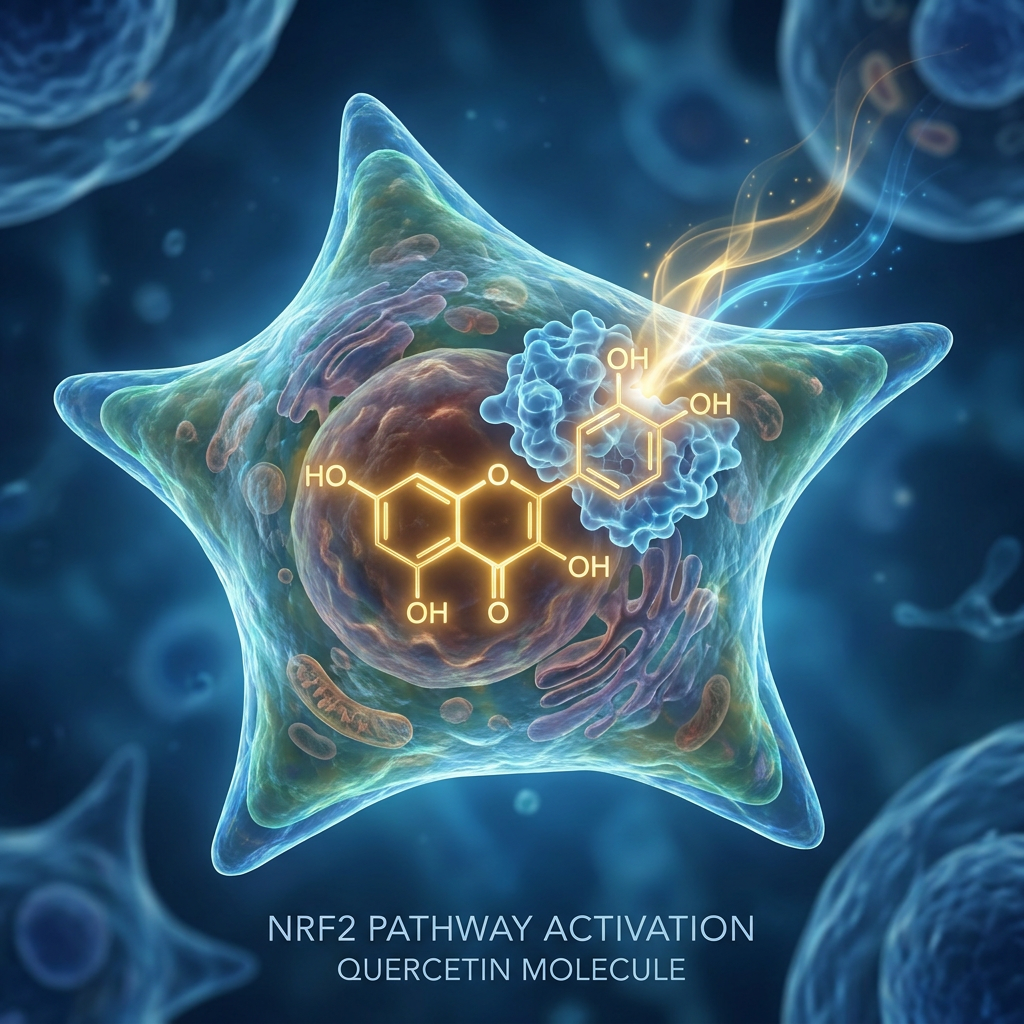
New research reveals that quercetin, a natural antioxidant, can alleviate osteoporosis by activating the NRF2 pathway to reduce oxidative stress and ferroptosis in bone cells. This study demonstrates how quercetin improves bone microstructure and stimulates osteoblast function, offering promising therapeutic potential for bone health management. Learn how targeting the NRF2/SLC7A11/GPX4 signaling pathway may transform osteoporosis treatment strategies.
A recent study reveals that rosmarinic acid, a natural antioxidant found in lemon balm, activates the NRF2/HO-1 pathway to protect kidneys from gentamicin-induced acute injury. By reducing oxidative stress, inflammation, and mitochondrial damage, rosmarinic acid significantly improves kidney function and tissue health in rats. This research highlights the potential of rosmarinic acid as a nephroprotective agent, offering new hope for preventing drug-induced kidney damage through enhanced cellular defense mechanisms.
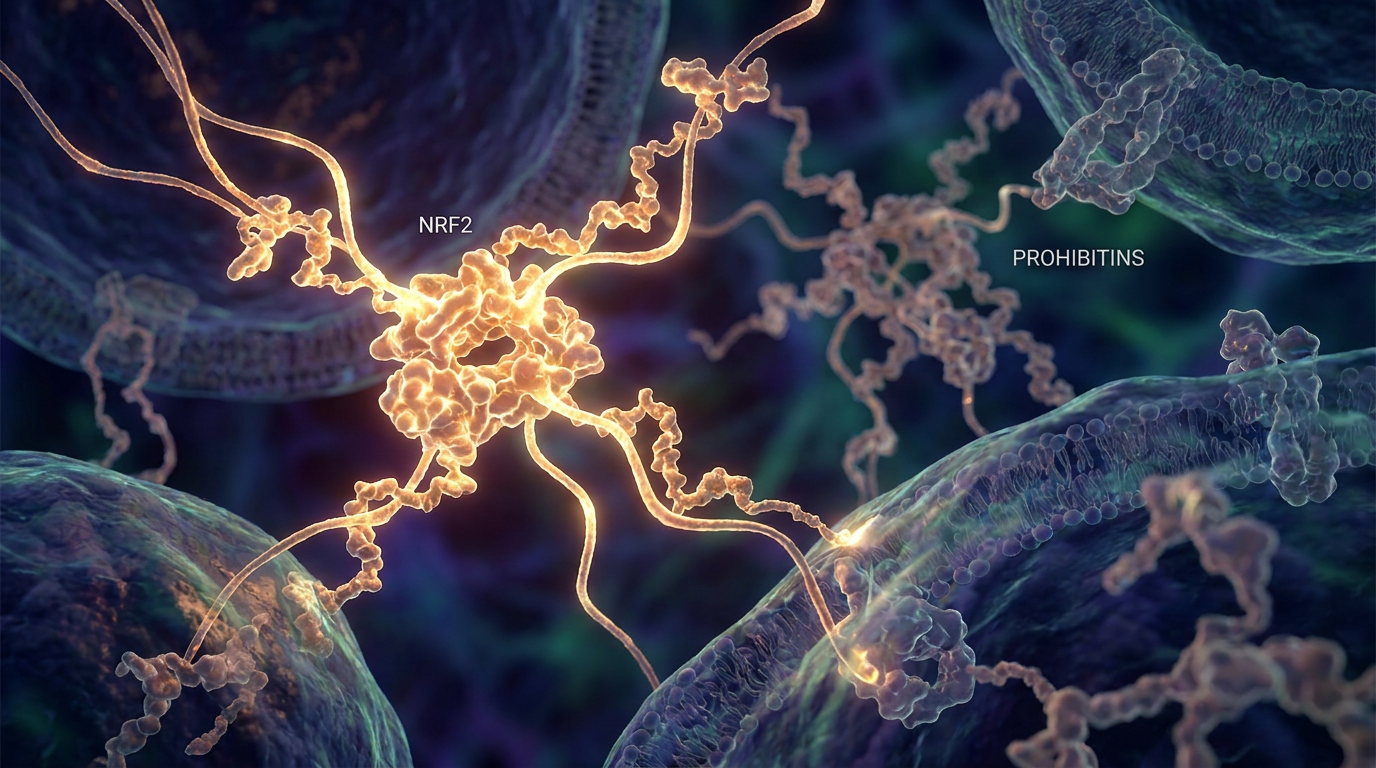
Respiratory viruses like influenza A and SARS-CoV-2 remain major health threats, especially with rising drug resistance. A new study reveals that Mel56, a compound targeting mitochondrial prohibitins, suppresses these viruses by activating the NRF2 antioxidant pathway and modulating mitochondrial function. Tested in cell cultures and human lung organoids, Mel56 enhances cellular defenses against oxidative stress, reduces viral replication, and improves cell survival. This promising host-directed antiviral strategy offers a novel approach to combat respiratory infections by boosting the body's natural cellular defense systems rather than targeting the virus directly.
Discover how Dendrobium, a traditional Chinese medicinal orchid, offers powerful anti-inflammatory and antioxidant benefits by activating the NRF2 pathway. This natural remedy shows promise in managing chronic inflammation and oxidative stress with low toxicity and broad therapeutic effects. Learn about the latest systematic review revealing its multi-targeted mechanisms and potential clinical applications.
Discover how VVD-065, a groundbreaking molecular glue, restores KEAP1 function to regulate NRF2 and offers new hope in targeting NRF2-driven cancers. Learn about this innovative drug development breakthrough.
Discover how the novel molecular glue VVD-065 restores KEAP1 function to regulate NRF2, offering a promising strategy to target NRF2-driven tumors. This breakthrough in drug development reactivates the body’s natural tumor suppression mechanisms.
New research reveals saffron’s powerful neuroprotective effects for autism spectrum disorder (ASD). By activating the NRF2 antioxidant pathway and reducing neuroinflammation, saffron’s bioactive compounds may help restore brain balance and alleviate ASD symptoms and related conditions like anxiety and cognitive impairment.
New research reveals that mogrosides from Siraitia grosvenorii (monk fruit) can effectively reduce inflammation and oxidative stress in acute pharyngitis. By activating the NRF2 antioxidant pathway and suppressing inflammatory signaling, these natural compounds protect throat tissue and improve symptoms. This study highlights mogrosides’ potential as a promising therapeutic agent for sore throat relief through multi-targeted cellular defense mechanisms.
Oligoasthenozoospermia (OAS) is a major cause of male infertility linked to oxidative stress. A new review reveals how Traditional Chinese Medicine (TCM) activates the NRF2 antioxidant pathway to protect sperm cells and improve fertility. By modulating the Keap1-NRF2-ARE signaling axis, TCM herbal compounds and acupuncture reduce oxidative damage and enhance cellular defense. This promising approach offers natural, multi-targeted therapies for OAS, highlighting NRF2’s crucial role in maintaining reproductive health. Discover how TCM could complement conventional treatments to boost male fertility through antioxidant regulation.
Spinal cord injury often leads to permanent disability due to neuronal loss caused by oxidative stress and ferroptosis. New research reveals that deferoxamine, an iron-chelating drug, activates the NRF2/HO-1 antioxidant pathway to protect neurons and improve recovery after injury. By inhibiting ferroptosis and boosting cellular defense mechanisms, deferoxamine shows promise as a therapeutic agent for spinal cord injury. This blog explores the study's key findings and what they mean for future treatments targeting oxidative stress and neuronal survival.
Examining the emerging research linking oxidative stress to fibromyalgia symptoms and whether NRF2 pathway activation could offer relief for this challenging condition.
A practical guide answering the most common questions about NRF2 supplement duration, safety profiles, potential side effects, and when to consult your doctor.
Explore the emerging science linking NRF2 pathway activation to weight management, fat metabolism, insulin sensitivity, and metabolic syndrome prevention.
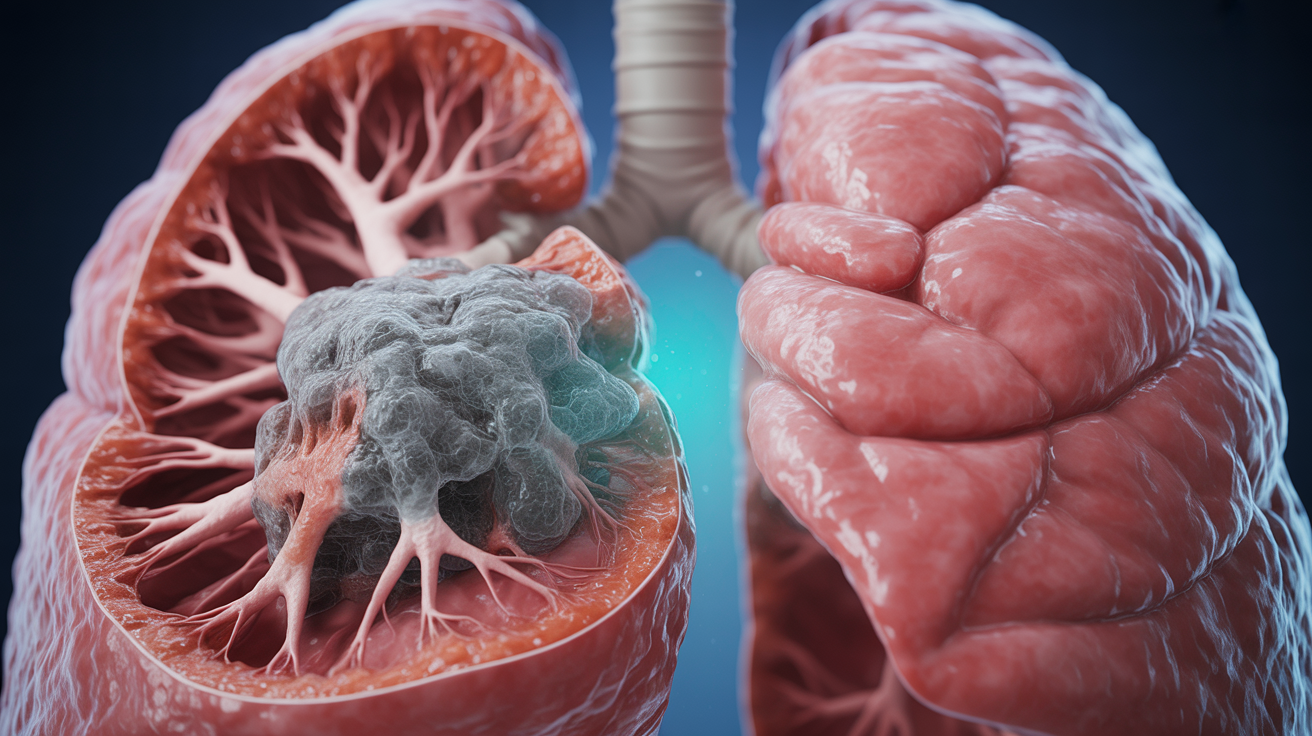
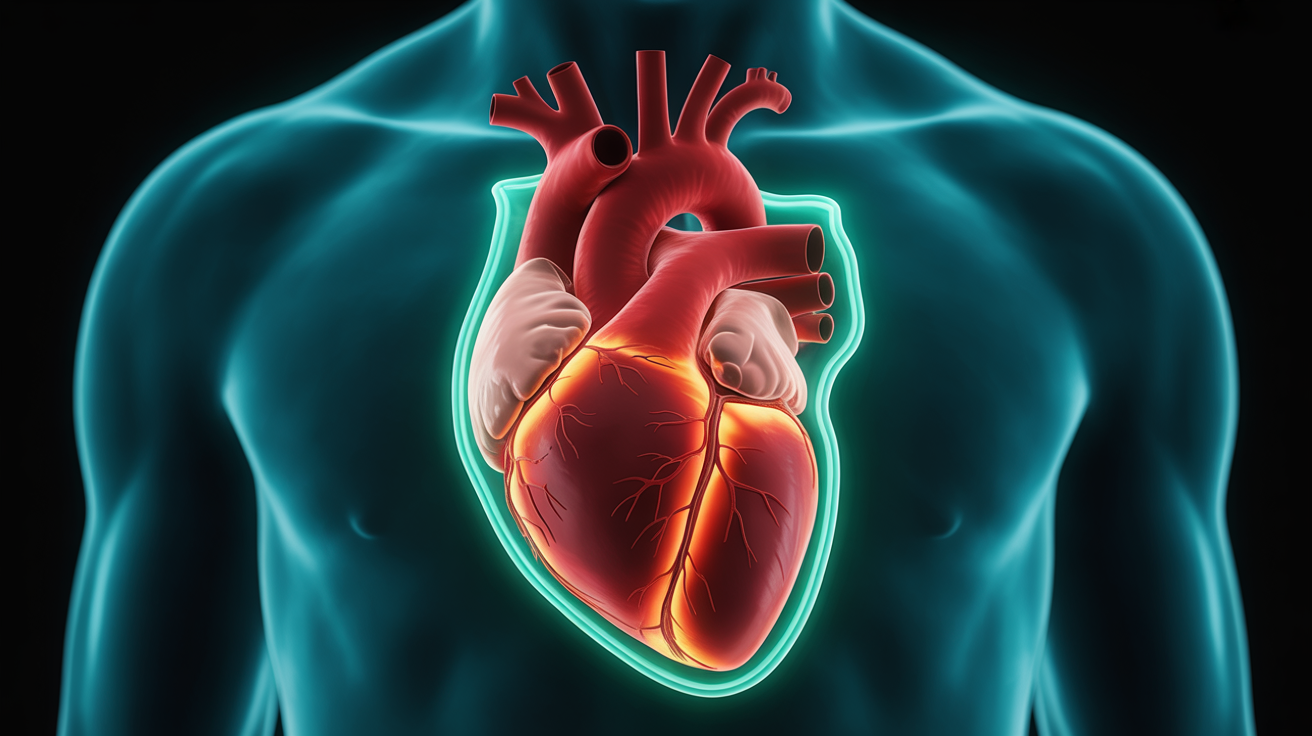
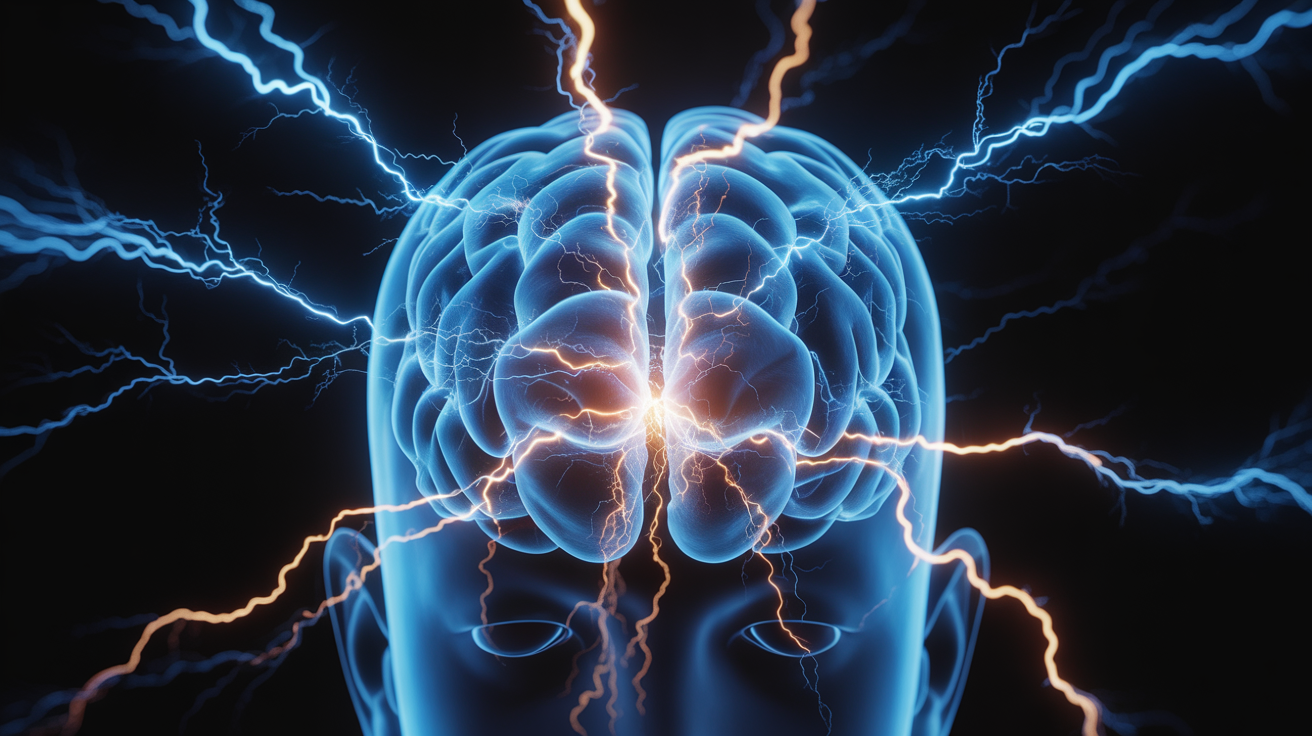
A comprehensive review of how NRF2 acts as a master protector across every major organ system, from the brain and heart to the liver, kidneys, lungs, and skin.
Discover how the NRF2 pathway protects your dog from oxidative stress, inflammation, and age-related diseases. Learn about NRF2-activating foods and supplements safe for canines.
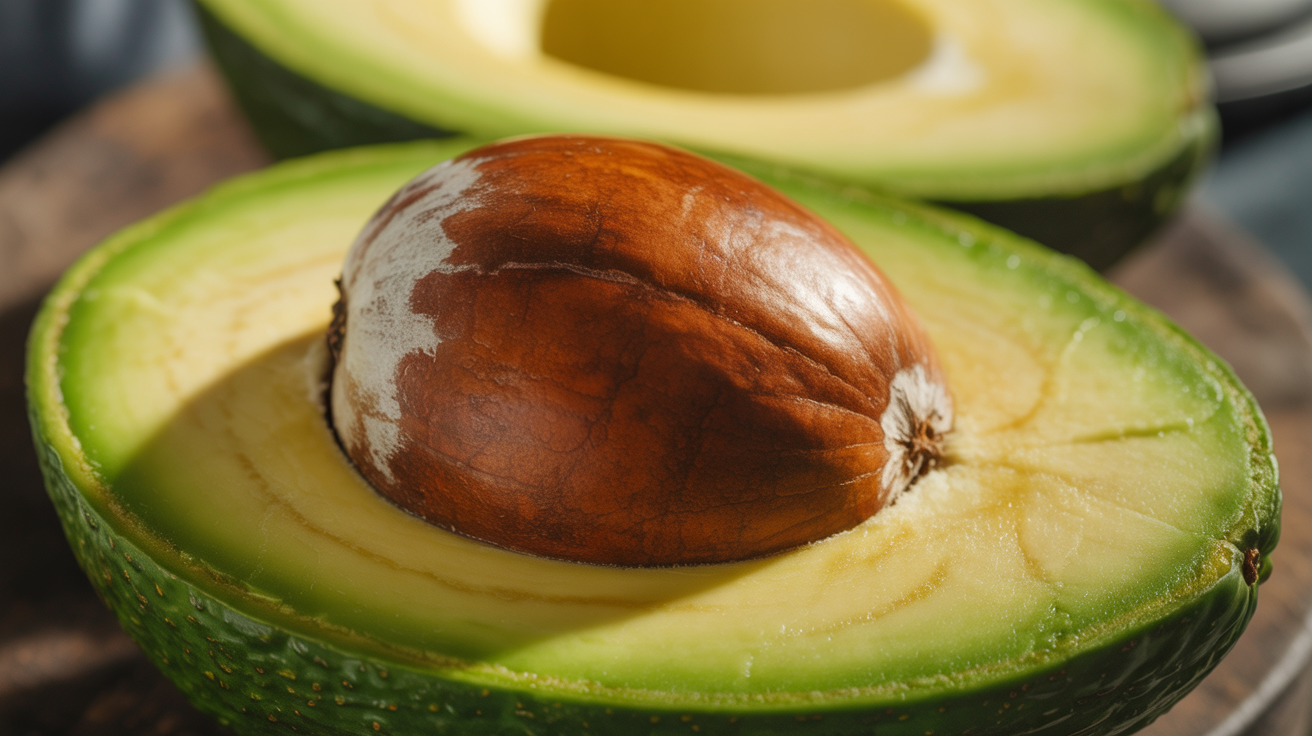
A new systematic review reveals that avocado consumption can reduce inflammation and oxidative stress by boosting antioxidant enzymes and modulating key molecular pathways. These effects, likely involving NRF2 activation, support avocado’s role in protecting against chronic diseases like diabetes and cardiovascular conditions. Whether eaten fresh or as byproducts, avocado shows promise in enhancing the body’s cellular defense and reducing harmful oxi-inflammation.
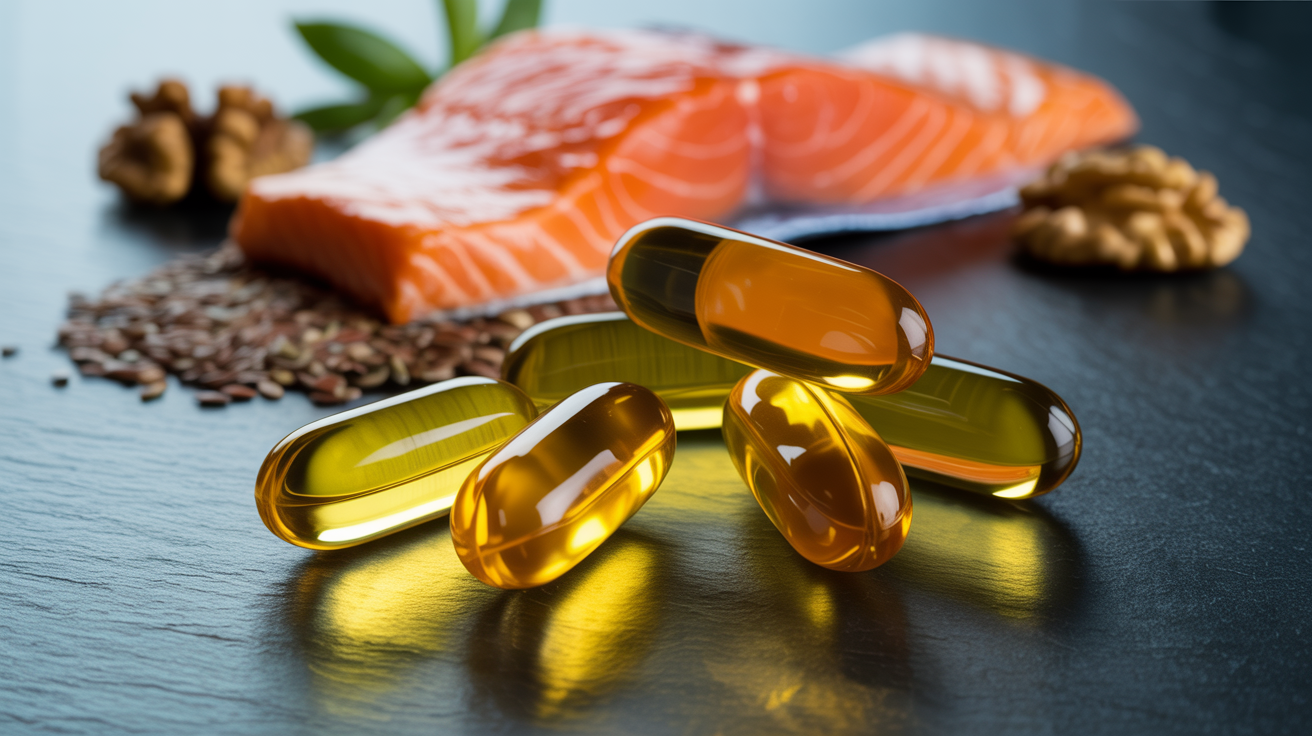
Omega-3 fatty acids DHA and EPA activate NRF2 through lipid-derived electrophilic mediators, creating a powerful anti-inflammatory and neuroprotective synergy.
Two NRF2 activators have received FDA approval — dimethyl fumarate for multiple sclerosis and omaveloxolone for Friedreich's ataxia — validating NRF2 as a clinically druggable target.
A comprehensive review of NRF2 activator supplements — from sulforaphane and curcumin to combination formulas — backed by current scientific evidence.
In a groundbreaking 2025 study, researchers used CRISPR to selectively knock down cancer-specific NRF2 mutations, restoring chemotherapy sensitivity in lung cancer models.
Physical exercise is one of the most powerful natural NRF2 activators, working through the principle of hormesis — mild stress that triggers robust cellular defense responses.
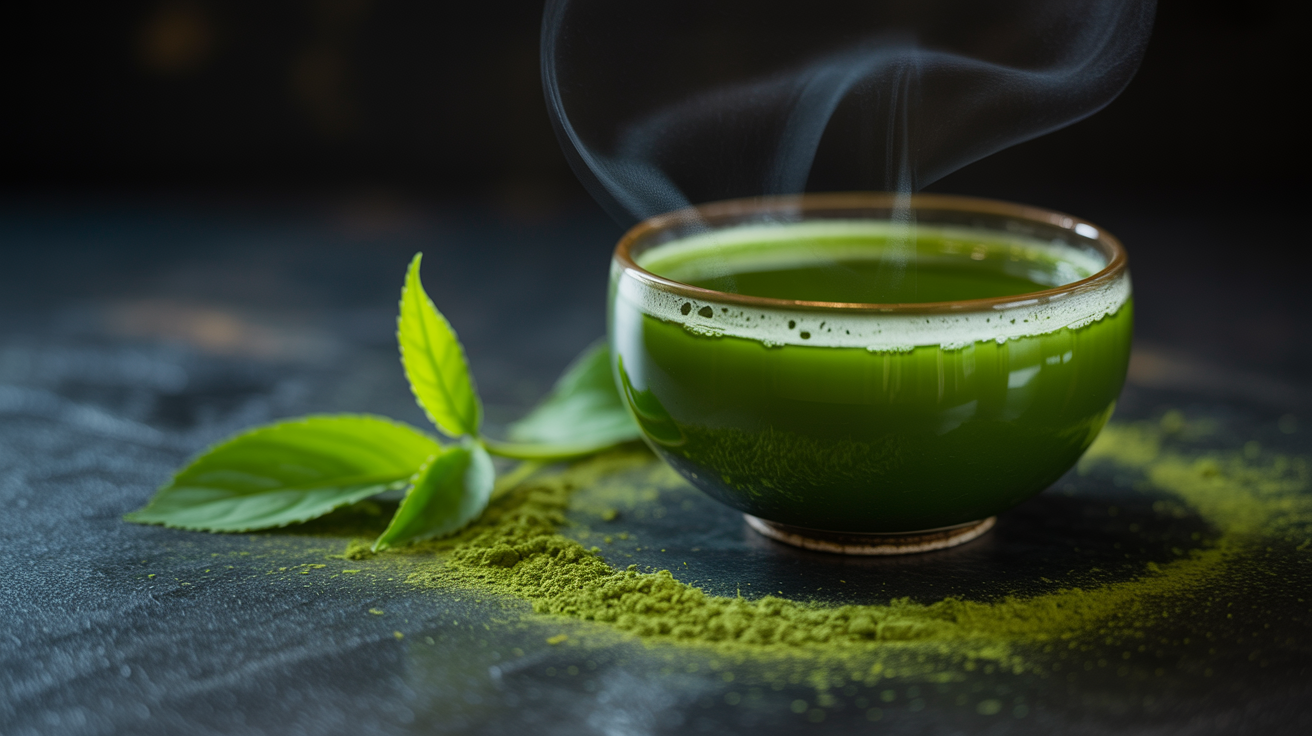
Epigallocatechin gallate (EGCG), the primary polyphenol in green tea, activates NRF2 through multiple mechanisms and has been shown to enhance cellular defense across thousands of studies.
NRF2 activation shows promise against Alzheimer's disease by reducing amyloid-beta production, combating neuroinflammation, and protecting mitochondrial function in the brain.
NRF2 exhibits a fascinating 'Janus-faced duality' in cancer — protecting normal cells from carcinogenesis while potentially promoting tumor survival in established cancers.
Curcumin, the active compound in turmeric, activates NRF2 by directly modifying KEAP1 cysteine residues. With over 12,000 published studies, it's one of the most researched natural compounds.
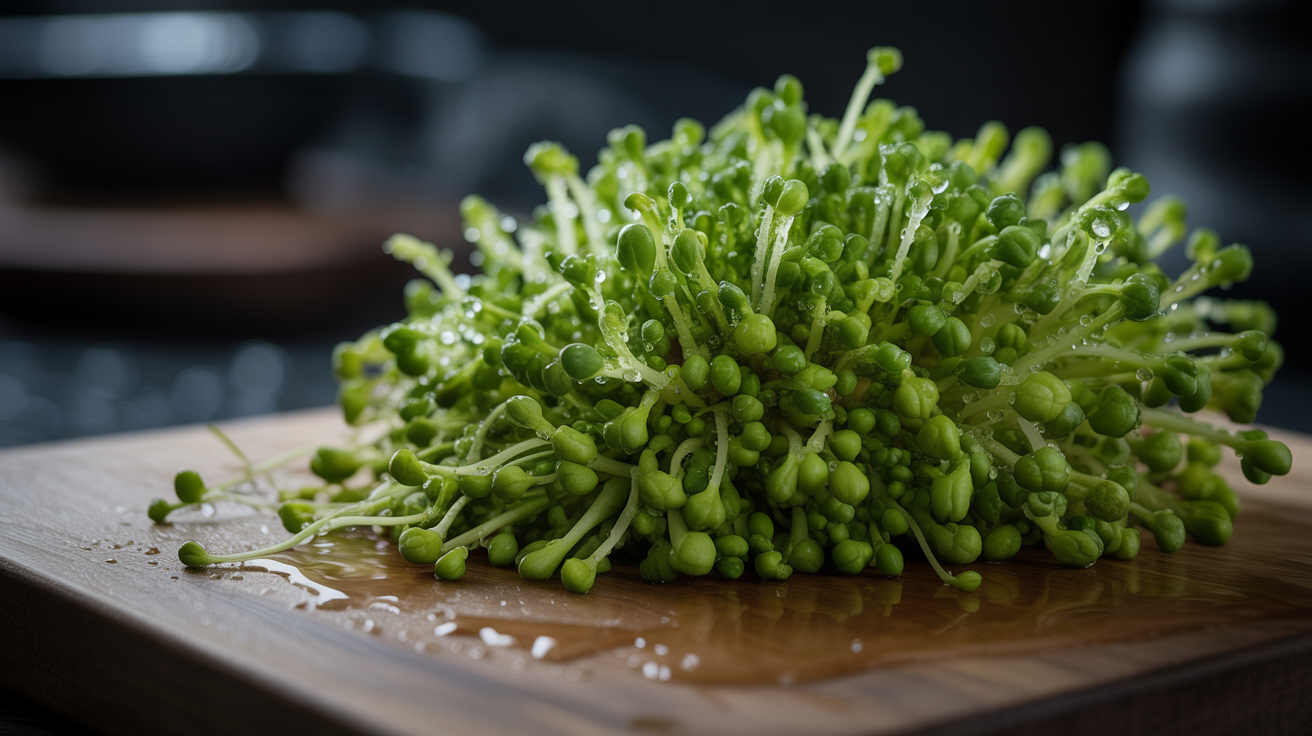
Broccoli sprouts contain up to 100x more sulforaphane than mature broccoli, making them the most potent natural NRF2 activator identified in scientific research.
Studies confirm that acetaminophen can activate NRF2, but at what cost? An in-depth look at the dual nature of Tylenol as both an NRF2 activator and a source of liver-damaging oxidative stress.
USC research reveals that while NRF2 normally protects healthy cells, cancer cells can hijack this pathway to survive chemotherapy and radiation — the "dark side" of NRF2.
With over 500 studies linking NRF2 to inflammation, discover how this master regulator can address the chronic inflammation driving aging, heart disease, diabetes, cancer, and Alzheimer's.
Three key PubMed studies reveal how NRF2 activation protects against influenza — from shielding lung cells to reducing viral replication and boosting innate immune response.
Discover how NRF2 activation protects skin from UV radiation, sunburn, and photoaging — with studies showing benefits for skin cancer prevention and wound healing.
A groundbreaking study in Science Magazine demonstrates that restoring the Nox4-NRF2 redox balance can reverse persistent fibrosis in aging lungs — a finding with implications for treating fibrotic diseases.
How Estée Lauder's Revitalizing Supreme creme leverages NRF2-activating black bamboo extract to combat skin aging from within — a milestone for NRF2 in the beauty industry.
How NRF2 activation helps manage oxidative stress in diabetes, protect pancreatic beta cells, improve insulin sensitivity, and prevent diabetic complications.
How the NRF2 pathway orchestrates a sophisticated defense mechanism against oxidative stress in cardiomyopathy, maintaining cardiac cellular equilibrium and shielding the heart from damage.
Professor Matthew Walker at UCL receives £133,755 grant to study how NRF2 activation and NADPH oxidase inhibition can prevent seizure-induced neuronal death.
A study in Nature Chemical Biology reveals that NRF2 activation helps clear toxic misfolded proteins, offering potential to slow or prevent Huntington's disease progression.
New research from the Medical College of Georgia shows NRF2 activation blocks dopamine neuron death in Parkinson's models, with major funding from the Michael J. Fox Foundation.
A comprehensive look at how four NRF2 activators — BG-12 (Tecfidera), tBHQ, sulforaphane, and Protandim — protect oligodendrocytes and offer hope for multiple sclerosis treatment.
Scientists at Augusta University discover that NRF2 activation through the Sigma 1 receptor preserves vision in retinal degeneration, with a $1.14M NIH grant funding further research.
Research reveals that elite endurance athletes have higher NRF2 gene expression than sprinters — exploring the genetic link between NRF2, mitochondrial biogenesis, and athletic performance.